
Bathroom Layout Ideas: How to Make the Most of Your Space
Planning a bathroom layout is one of the most important stages of any bathroom project. The way your furniture, sanitaryware, storage, and circulation work together will influence how comfortable the space feels, how practical it is to use day to day, and how well it stands up to changing needs over time. In UK homes, where room sizes and layouts vary widely, getting the bathroom layout right matters just as much as choosing the right products.
This guide explores bathroom layout ideas suited to typical UK properties, from compact cloakrooms and narrow en-suites to family bathrooms and larger principal spaces. Throughout, you will find professional insight to help you use your space more effectively, avoid common bathroom planning mistakes, and create a bathroom that feels balanced, functional, and visually calm.
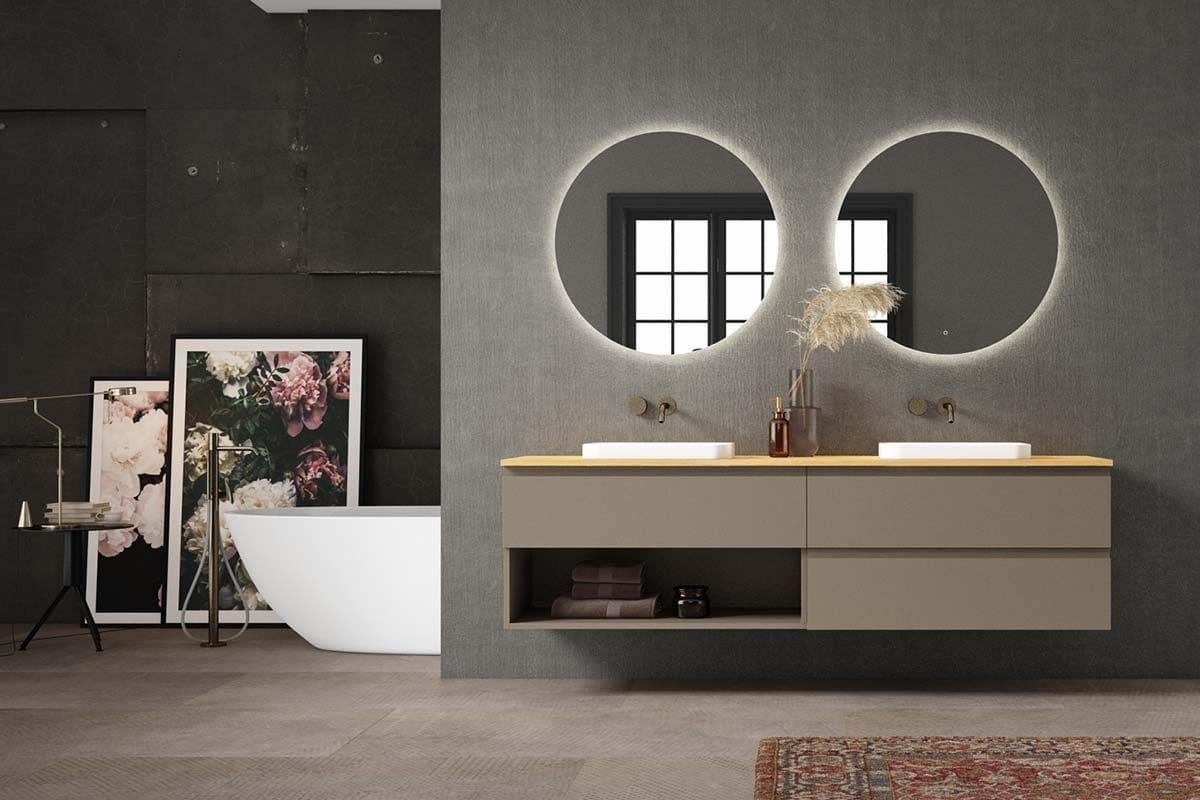
Why Bathroom Layout Matters More Than You Think
A bathroom can include high-quality fittings and attractive finishes, yet still feel awkward if the layout is poorly considered. Layout affects everything from how easily doors open to how comfortable it feels to step out of the shower. It also has a direct impact on cleaning, maintenance, and long-term usability.
When considering bathroom design, UK homeowners often need to work around existing plumbing positions, chimney breasts, sloping ceilings, or narrow footprints. A thoughtful plan respects these constraints while improving how the space works for you. The best bathroom layout ideas feel intuitive, allow clear movement, and provide enough storage without overcrowding the room.
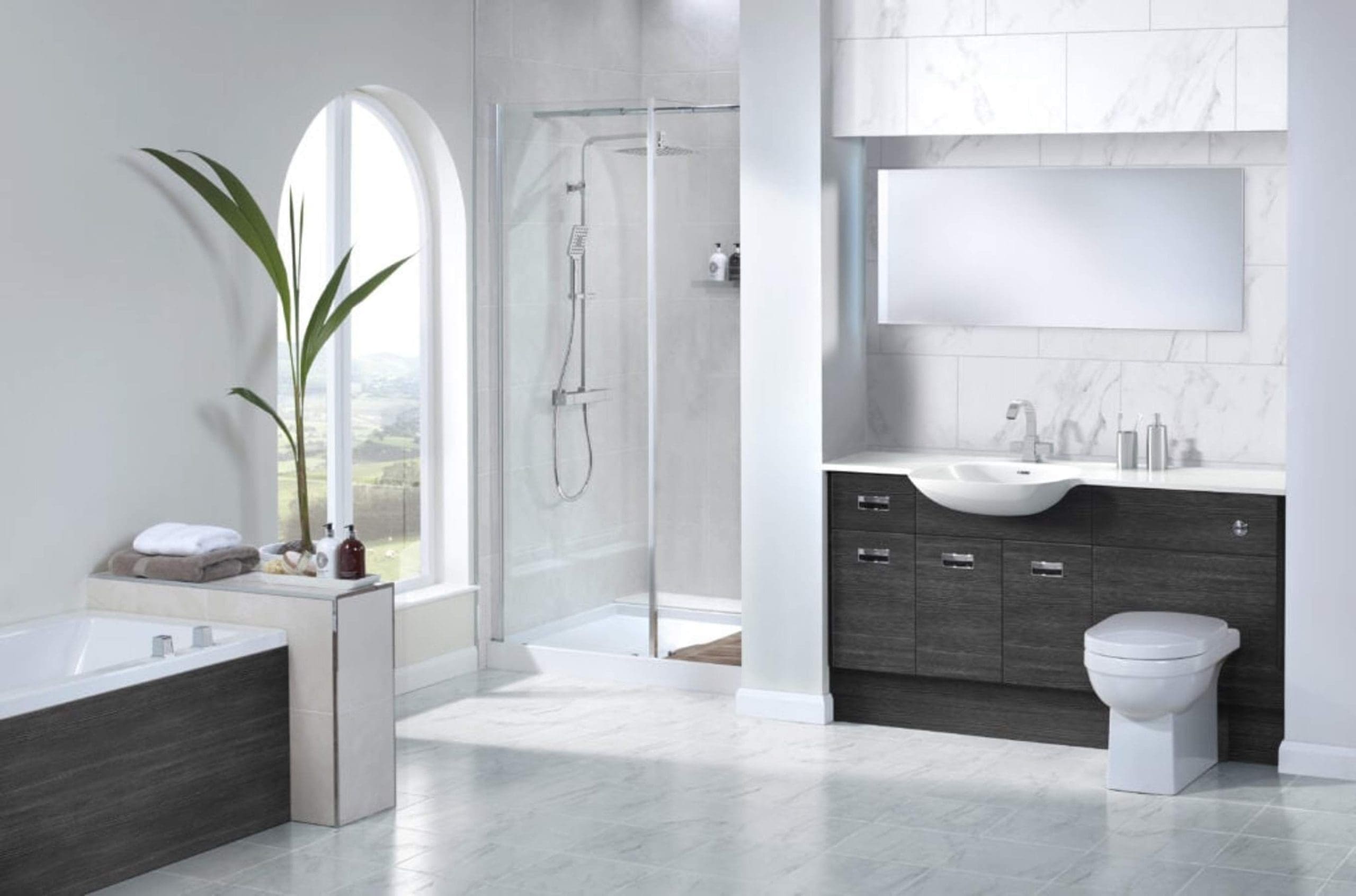
Understanding Common UK Bathroom Shapes
Before looking at specific bathroom layout ideas, it helps to understand the shapes most commonly found in UK homes.
Many bathrooms are rectangular, especially in Victorian terraces and post-war semis. These often suit linear layouts with fittings arranged along one or both long walls. Square bathrooms are more common in newer homes and flats, offering greater flexibility in how zones are arranged. Loft conversions and extensions can introduce angled ceilings or irregular walls, which require careful placement of key fixtures.
Understanding the shape of your bathroom is the starting point for making informed layout decisions for any bathroom design ideas UK residents are planning.
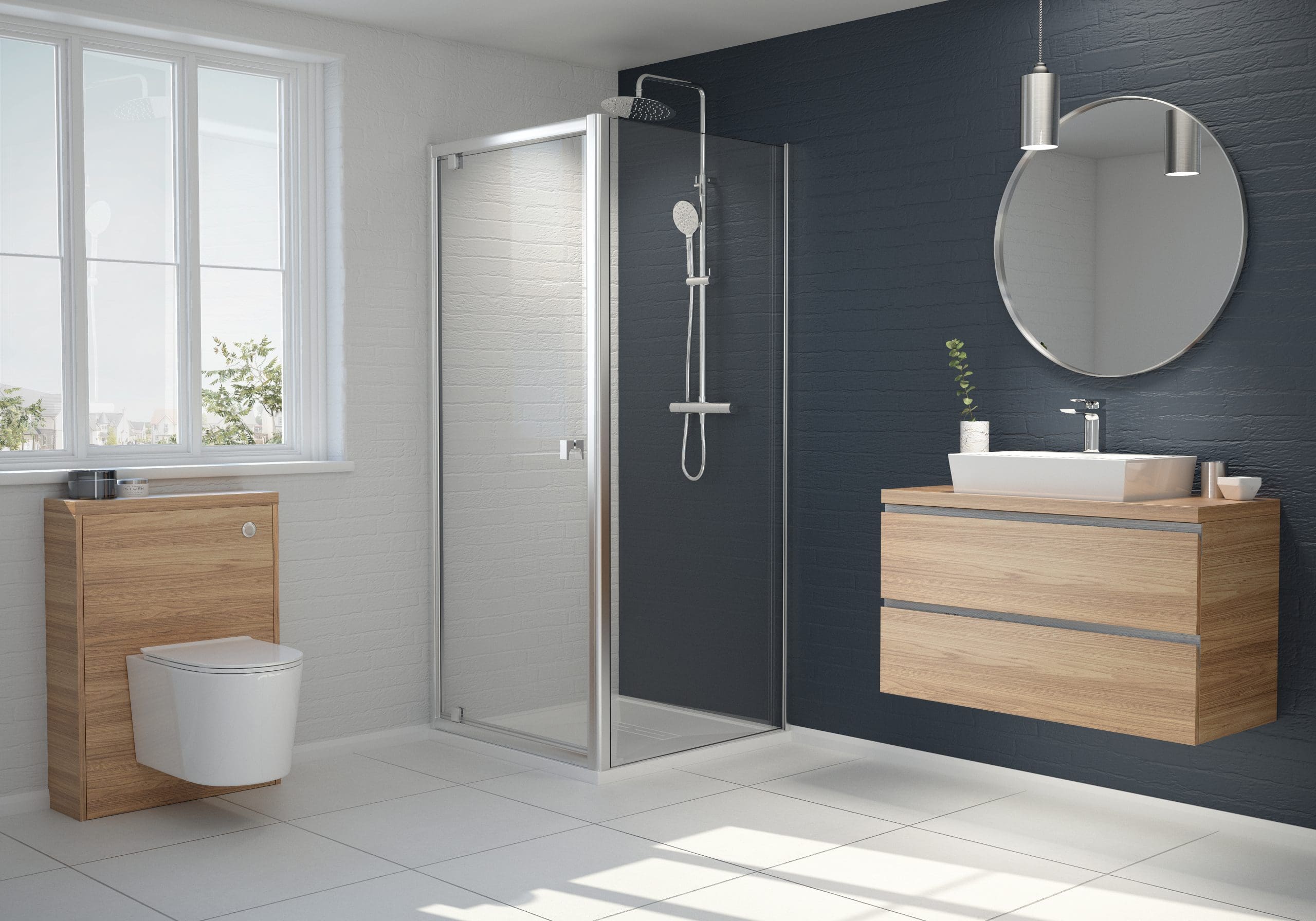
Small Bathroom Layout Ideas UK Homes Need
Small bathrooms are common across the UK, especially in terraces, flats, and older properties. When considering small bathroom layout ideas, the aim here is to maximise usable space while keeping the room feeling open.
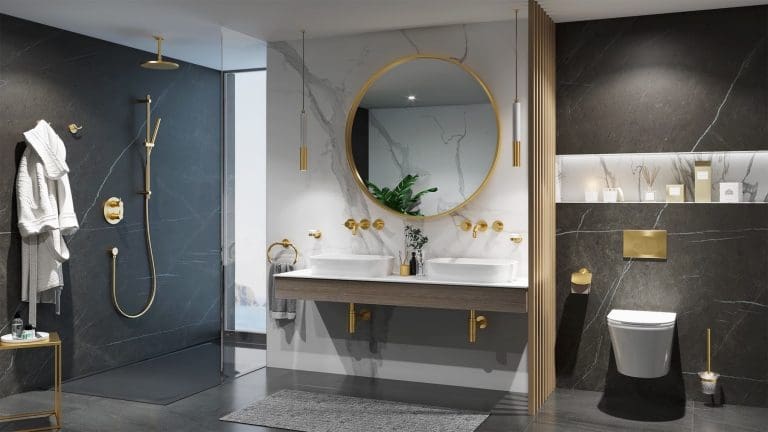
A wall-hung toilet and vanity unit can transform how a small bathroom feels. By lifting furniture off the floor, you create visible floor space, which helps the room feel larger. Compact basins and short-projection toilets are designed specifically for tighter spaces and can make a significant difference.
Showers often work better than baths in very small bathrooms. A walk-in shower with a single fixed glass panel avoids the visual clutter of bulky enclosures. Clear glass also allows light to travel through the room, improving the sense of space.
Mirrors play a key role in small layouts. A large, mirrored cabinet above the basin provides storage without adding bulk and reflects light around the room. Products from brands such as Utopia and Decosan are designed with compact UK bathrooms in mind, offering slim-depth furniture that balances storage with proportion.
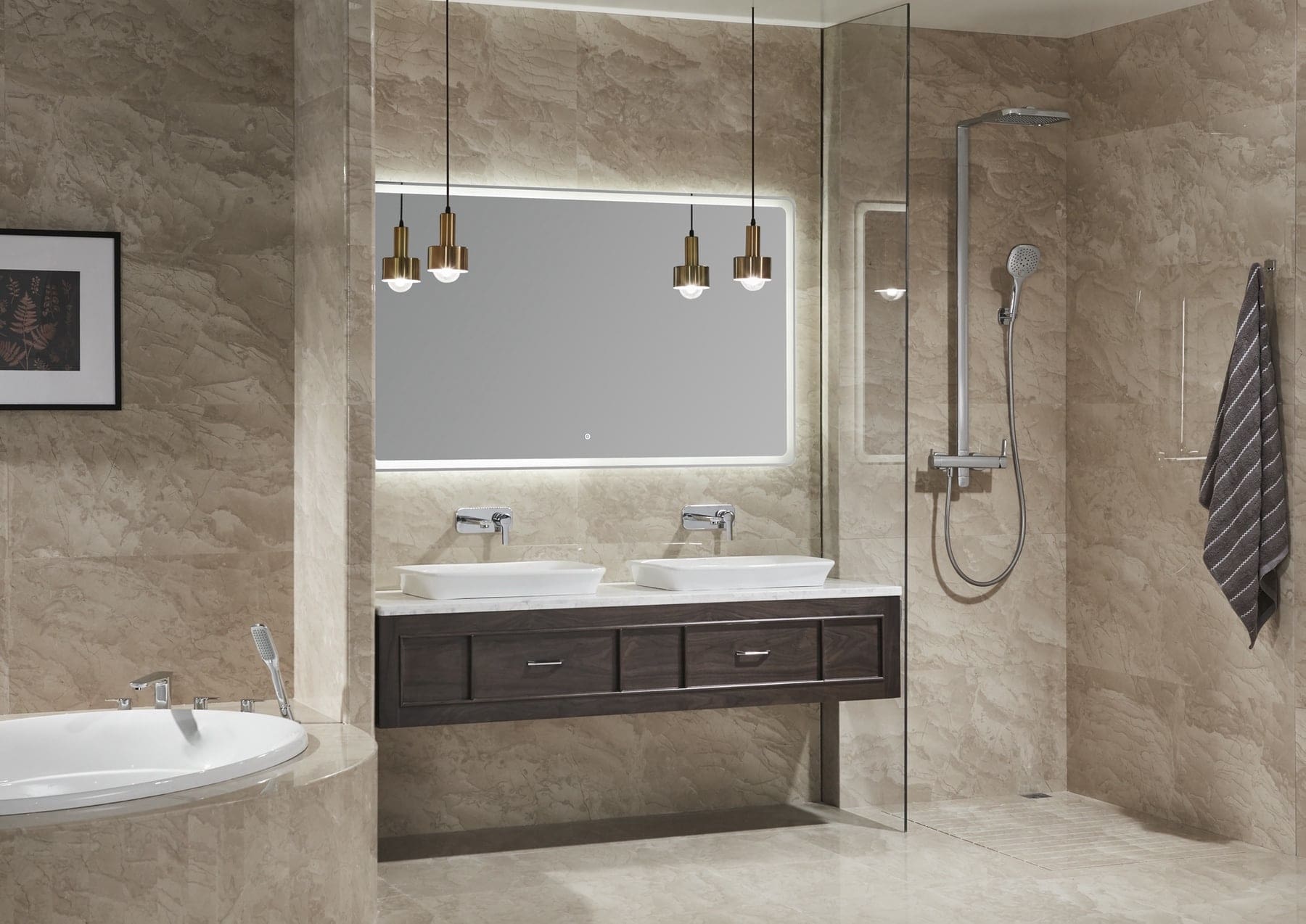
Family Bathroom Layouts That Work Hard Every Day
Family bathrooms need to cope with multiple users, busy mornings, and changing routines. Bathroom layout planning here should prioritise ease of movement, durability, and practical storage.
One of the most effective family bathroom layouts includes both a bath and a separate shower. In rectangular rooms, placing the bath along the far wall with a shower enclosure adjacent can create clear zones. This allows different users to access the room more easily without feeling cramped.
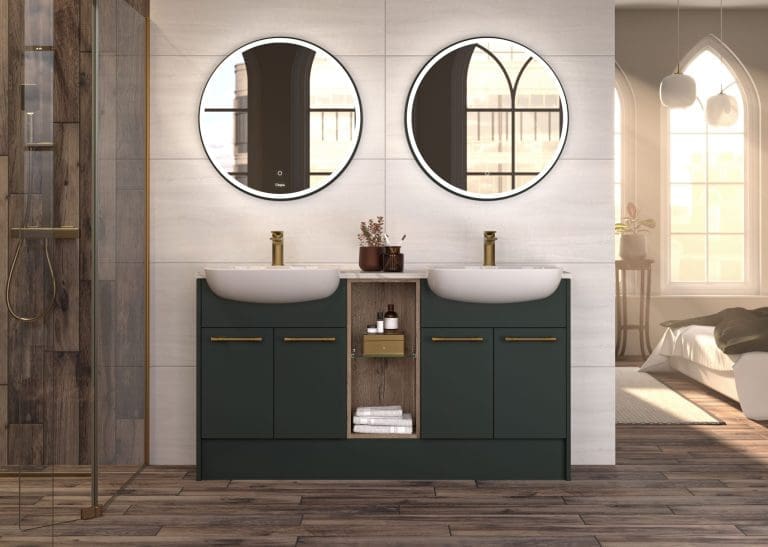
Double basins are worth considering if space allows. They reduce congestion during peak times and create symmetry within the layout. Storage should be generous and easy to access, with tall units or vanity drawers keeping everyday items organised.
Durable materials and robust fittings matter in family settings. Brands such as Sonas and Roman offer solutions designed for long-term reliability, making them well-suited to high-use family bathrooms.
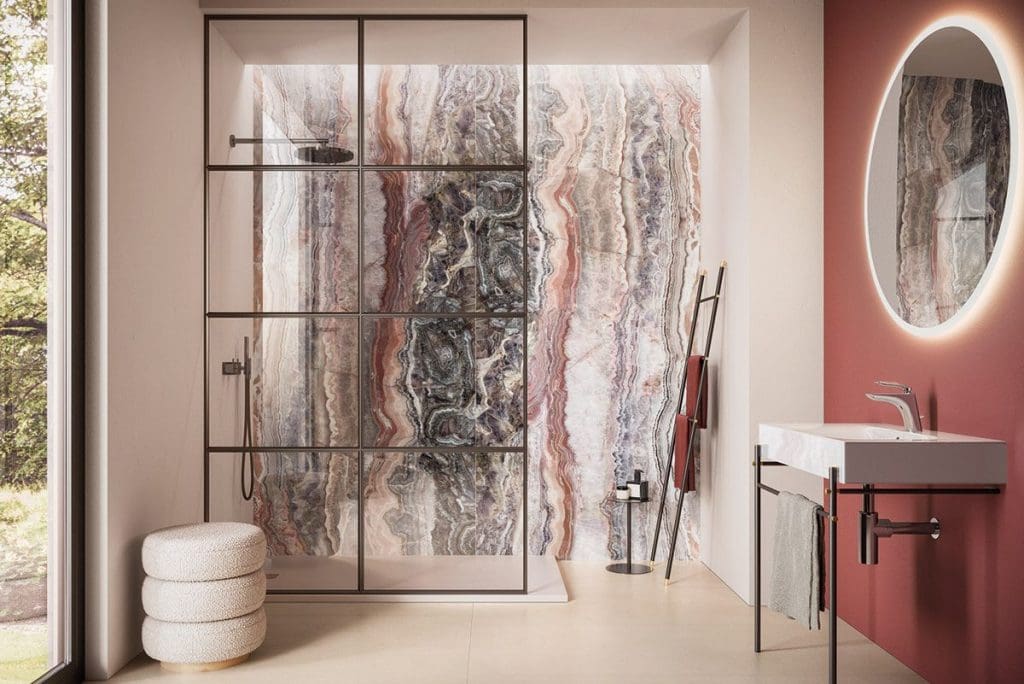
Ensuite Bathroom Layout Ideas for Bedrooms
Ensuite bathrooms are often smaller than main bathrooms, yet they need to feel calm and well organised. Bathroom layouts that minimise visual clutter and focus on flow work best here.
A popular ensuite layout places the shower at the far end of the room, with the basin positioned centrally and the toilet tucked to one side. This arrangement creates a natural progression through the space and keeps the most private elements discreet.
Walk-in showers are particularly effective in ensuites. A slim shower tray or level-access design enhances the sense of openness and suits modern styling. Finishes from Acquabella work well here, combining contemporary design with practical durability.
Bathroom lighting should be layered, with task lighting at the mirror and softer ambient lighting elsewhere. This approach supports both morning routines and more relaxed evening use.
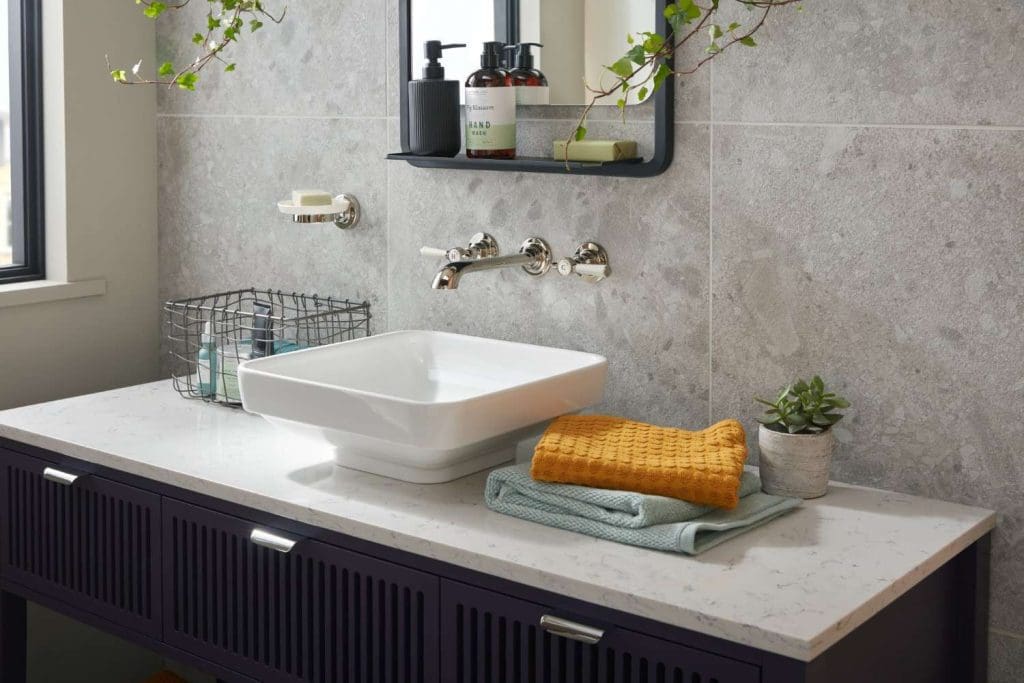
Cloakroom and Downstairs WC Layouts
Cloakrooms are often the smallest bathrooms in the home, yet they offer an opportunity to be bold with layout and design. These spaces typically need only a toilet and a small basin, which allows for creative placement.
Corner basins or slimline vanity units free up valuable floor space and improve comfort. Positioning the basin slightly off-centre can make the room easier to use, especially where doors swing inward.
Wall-hung sanitaryware works particularly well in cloakrooms, keeping the space feeling light. Statement finishes and well-chosen taps from brands such as Ramon Soler can elevate even the smallest layout, creating a strong impression without overwhelming the room.
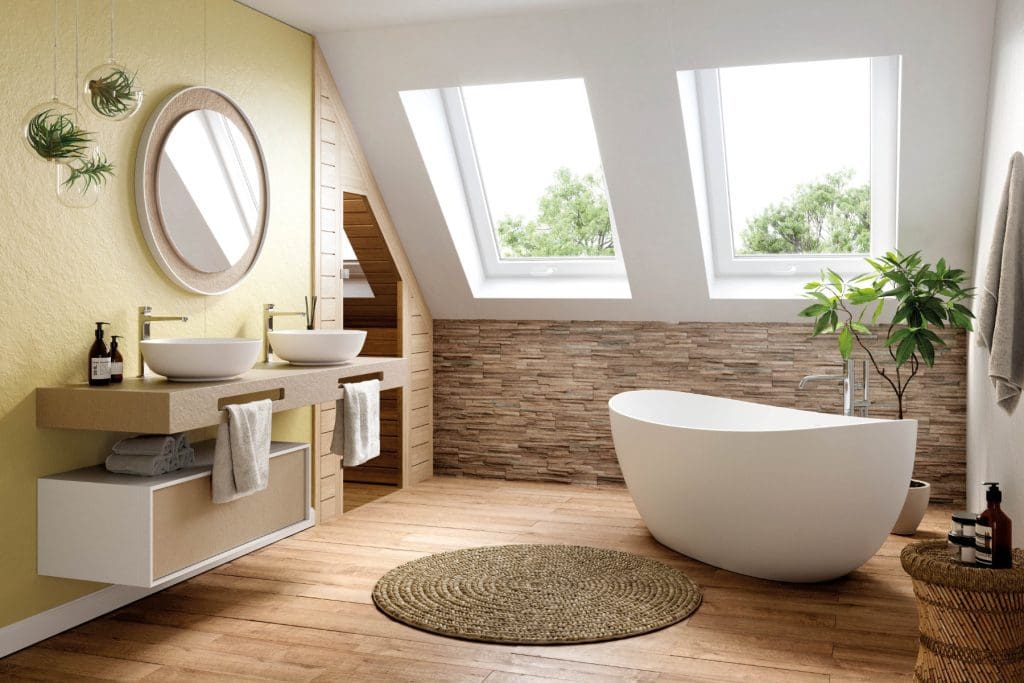
Bathroom Layout Ideas for Narrow or Awkward Spaces
When it comes to bathroom design UK homes often have long and narrow bathrooms, which can feel restrictive without careful planning. Linear layouts often suit these spaces best, with fittings arranged along one wall or opposite each other.
Placing the bath or shower at the end of the room helps anchor the layout and draws the eye forward. Keeping the central walkway clear improves usability and prevents the space from feeling cluttered.
In rooms with sloping ceilings, such as loft bathrooms, positioning baths or lower furniture beneath the slope makes practical sense. Taller items, including showers and storage units, should sit where ceiling height is greatest.
Custom furniture from brands like Interlubke and Decosan can be particularly useful in awkward spaces, allowing you to tailor dimensions to suit the room.
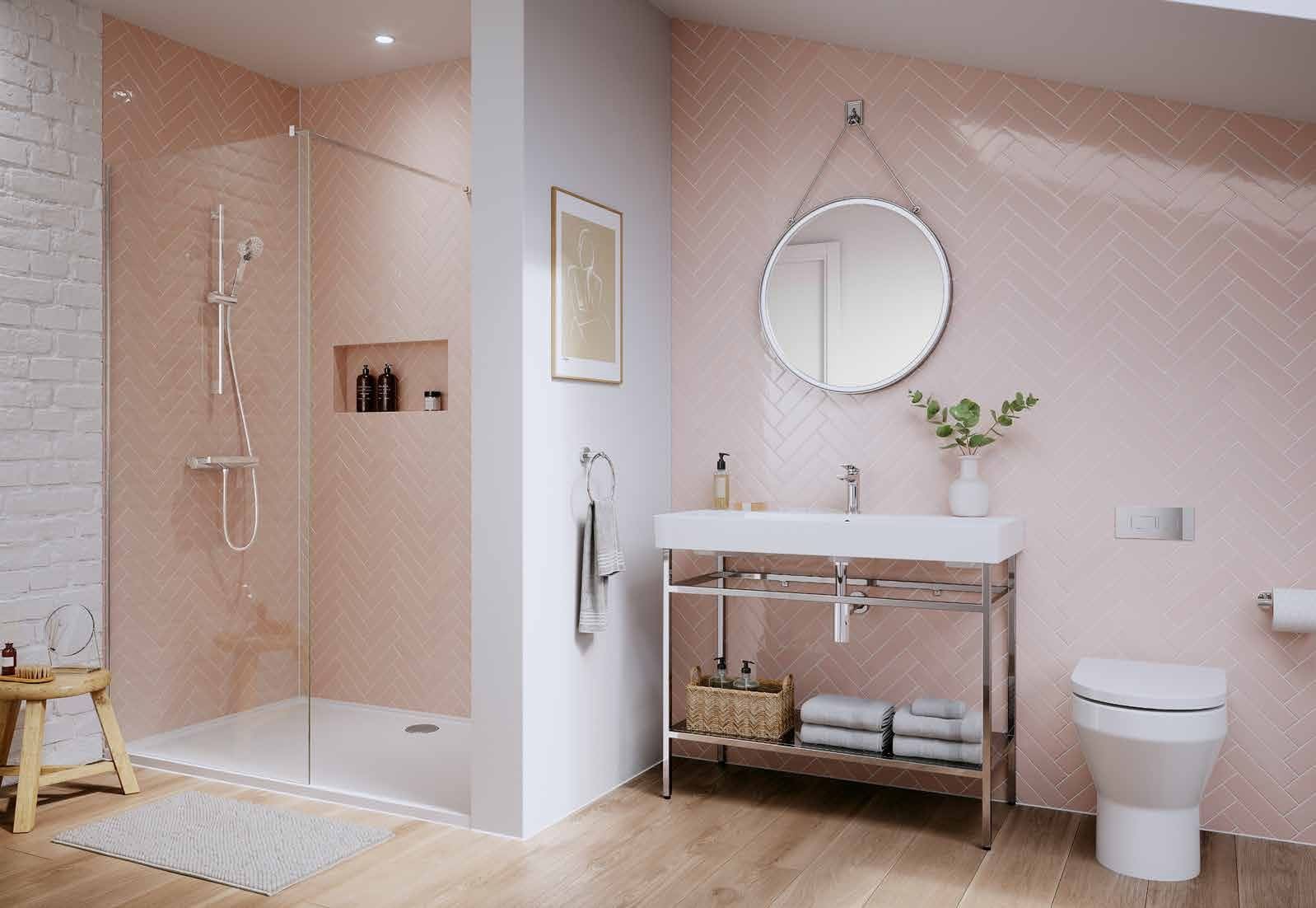
Zoning Your Bathroom for Better Flow
Zoning is a valuable concept in modern bathroom layout planning. It involves grouping similar functions together to improve flow and comfort.
For example, wet zones typically include the bath and shower, while dry zones cover basins, storage, and circulation areas. Separating these zones visually and practically reduces splashing, improves safety, and helps the room feel more organised.
Glass screens, changes in floor finish, or subtle lighting shifts can define zones without closing the space in. This approach works well in open-plan bathrooms and larger ensuites.
Accessibility and Future-Proof Layout Planning
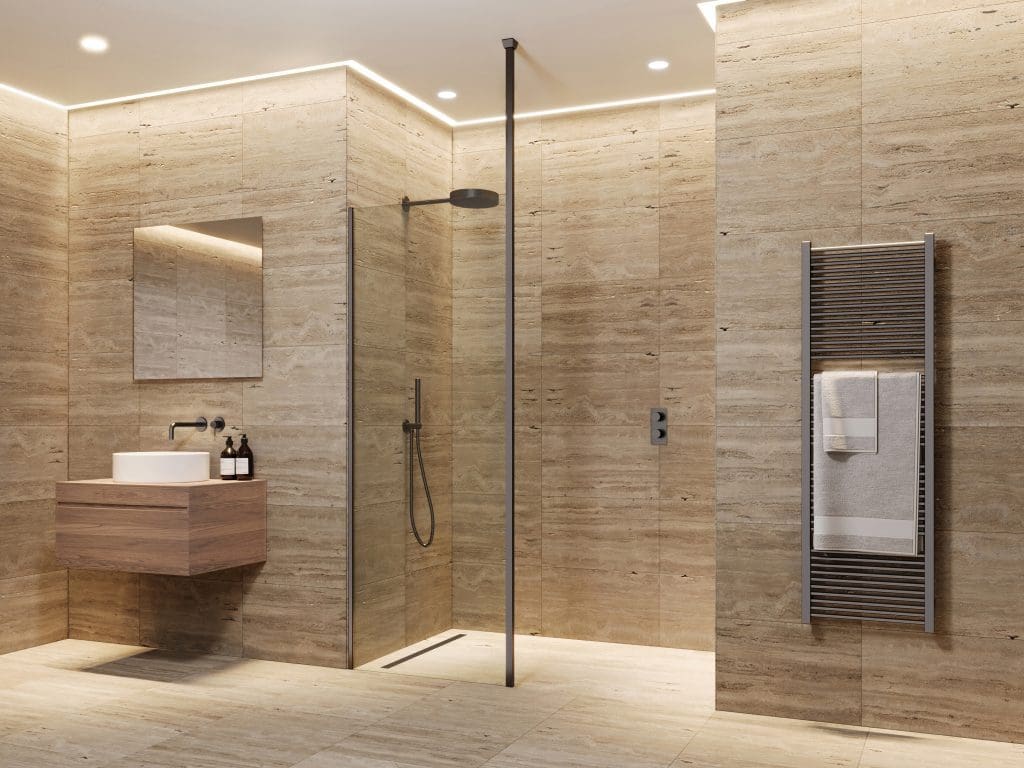
A well-designed bathroom layout should consider not just current needs but future ones too. Step-free showers, wider walkways, and easy-access storage make bathrooms safer and more comfortable for all ages.
Even in smaller UK bathrooms, thoughtful layout choices can support accessibility. Level-access showers, wall-mounted seating, and well-positioned grab points can be integrated discreetly. Planning for these features early avoids costly changes later and is valuable to consider when bathroom layout planning.
Bathroom Storage Planning Within the Layout
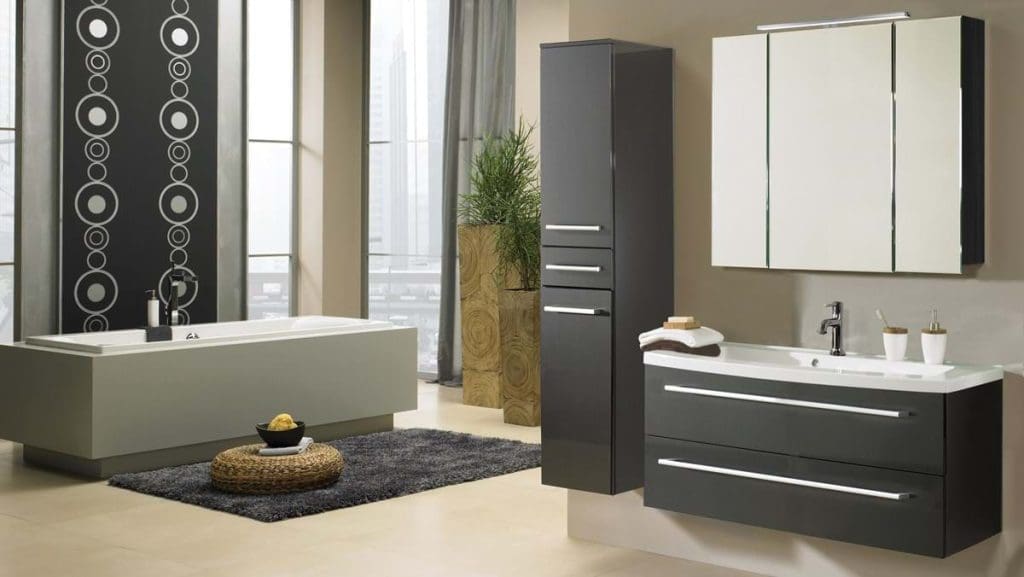
Storage is often underestimated when planning a bathroom layout. Without enough space for toiletries, towels, and cleaning products, even the most attractive bathroom can feel cluttered.
Vanity units with deep drawers make better use of space than traditional cupboards. Tall storage units provide capacity without taking up excessive floor space. Mirrored cabinets combine storage with functionality and suit most layouts.
Brands such as Utopia and Sonas offer modular storage options that adapt well to different bathroom layouts, allowing you to balance practicality with proportion.
Making Your Bathroom Layout Feel Bigger
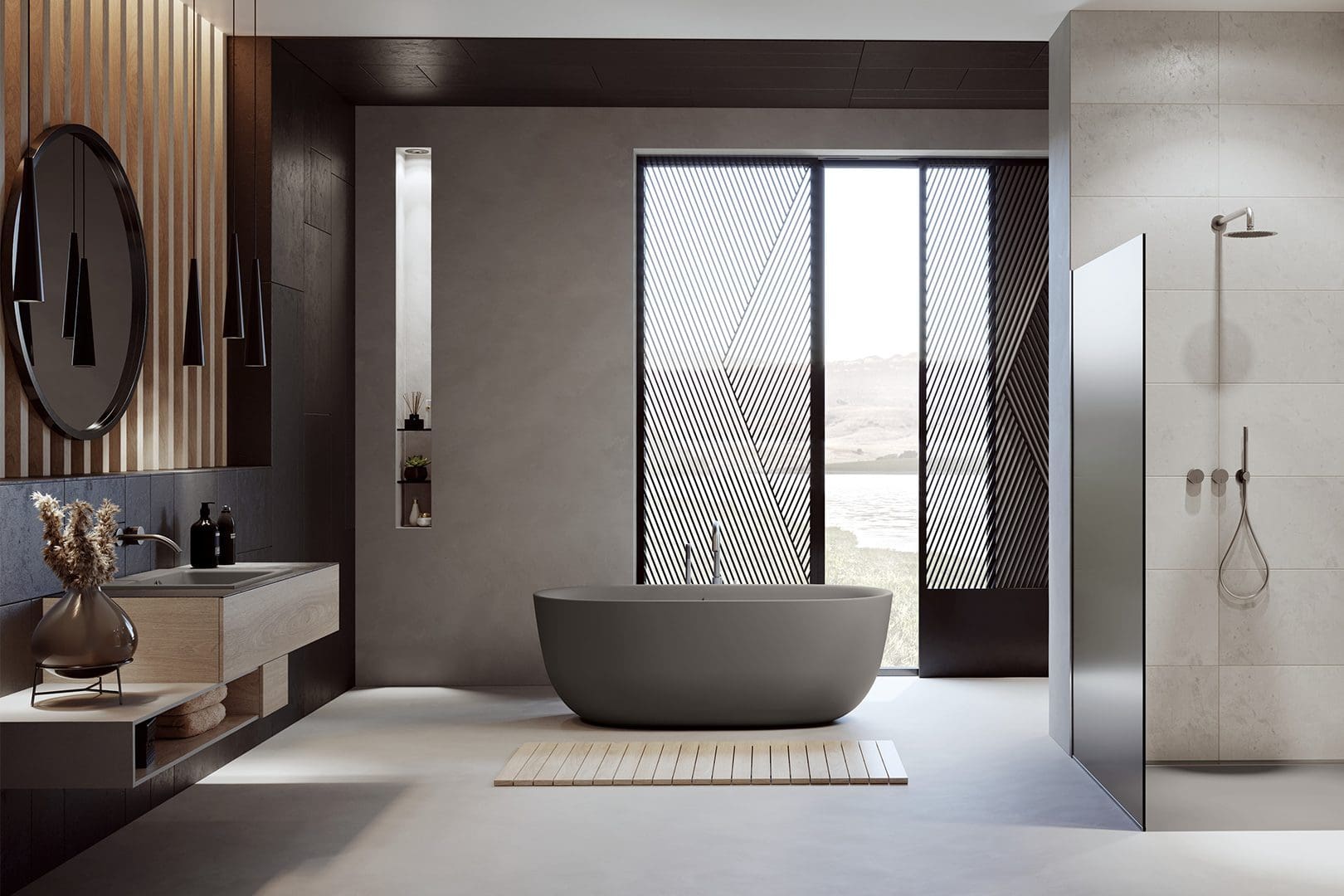
Visual tricks can enhance the impact of a well-planned layout. Consistent floor finishes, large-format tiles, and minimal grout lines help create a seamless look. Keeping colour palettes restrained allows the layout to take centre stage.
Good bathroom lighting supports the layout by highlighting key areas and eliminating shadows. A combination of ceiling lights, wall lights, and feature lighting creates depth and improves usability and is well worth considering when looking at ideas for bathroom design UK homeowners love.
Final Thoughts: Choosing the Right Layout for Your Home
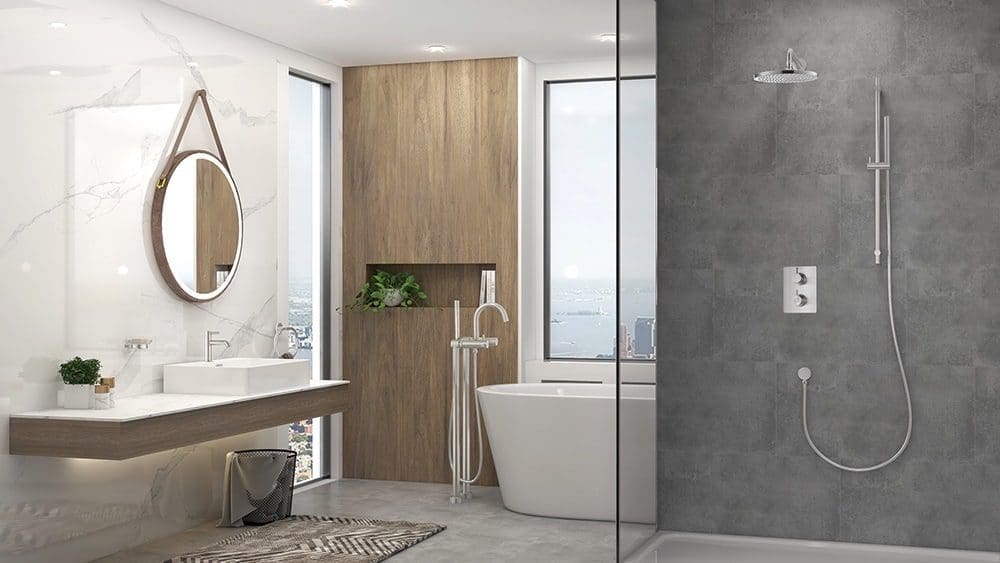
The best bathroom layout is one that reflects how you use the space every day. It should feel natural to move through, support your routines, and make the most of the room you have. In UK homes, where space often comes at a premium, thoughtful bathroom layout ideas make a measurable difference.
By understanding your bathroom’s shape, considering zoning, and selecting products suited to your layout, you can create a space that feels comfortable, balanced, and built to last. With the right approach and working with an experienced designer, even challenging rooms can become highly functional bathrooms that serve you well for years to come.