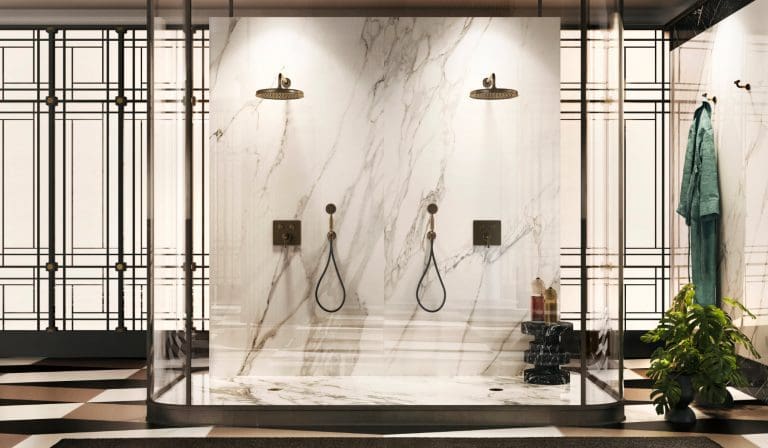

The Complete Guide to Shower Enclosures: Frames, Glass, Door Styles & More
Choosing the right shower enclosure is one of the most important decisions in any bathroom renovation. While tiles and brassware often get the most attention, the enclosure determines how the space functions day to day — affecting layout, light flow, cleaning, durability and long-term performance.
With so many options available — framed, frameless, sliding, hinged, quadrant, walk-in — it can be difficult to know which style is best suited to your space.
At My Bathroom Specialist, we work with UK homeowners and installers specifying shower enclosures from leading brands including Roman, alongside shower trays from Acquabella, brassware from Ramon Soler and coordinated bathroom furniture from Utopia and Decosan. Through real-world installation feedback and product insight, one thing is clear: the right enclosure depends on more than aesthetics alone.
This guide explains everything you need to know about shower enclosures — including frame types, glass thickness, door mechanisms, maintenance considerations and layout suitability — so you can make a confident, informed decision.

What Is a Shower Enclosure?
A shower enclosure is a framed or frameless glass structure designed to contain water within a defined showering area. It typically consists of one or more glass panels combined with a door mechanism (sliding, hinged, pivot or bi-fold) and is installed on a shower tray or wet room floor.
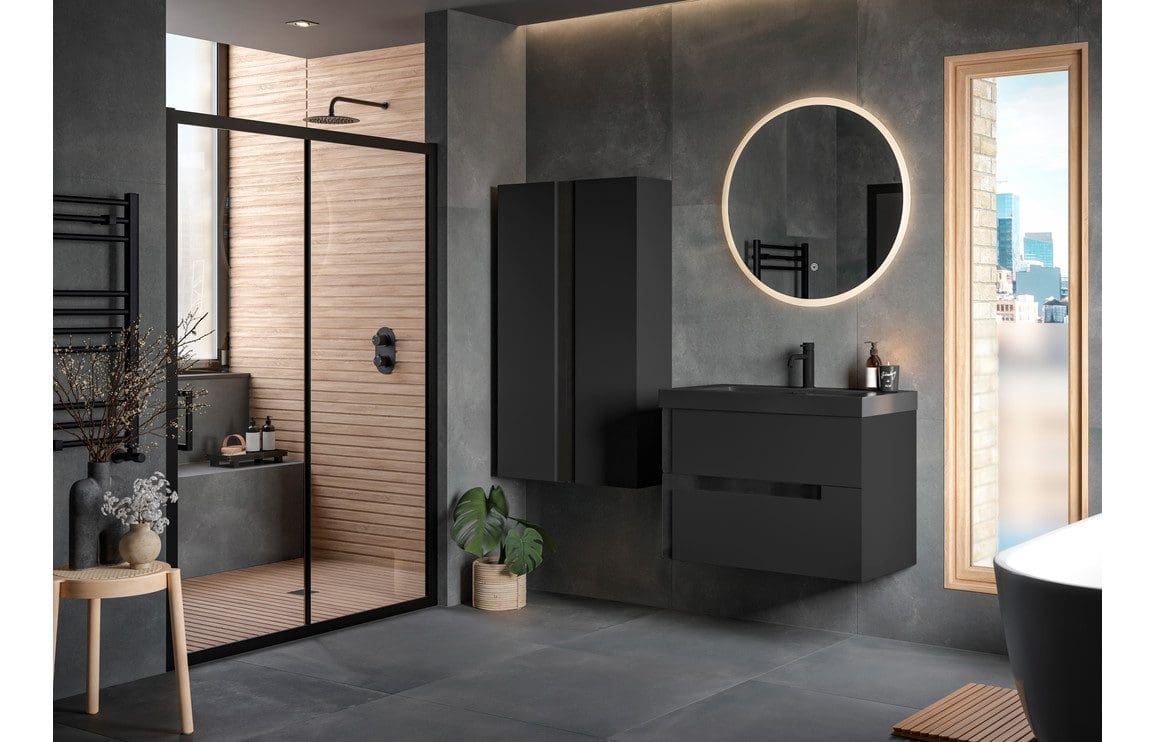
Types of Shower Enclosure Frames
One of the biggest distinctions between shower enclosures is how the glass is supported.
1. Fully Framed Shower Enclosures
Fully framed enclosures have metal framing around all edges of the glass panels.
Advantages:
- Strong structural support
- Generally more affordable
- Ideal for uneven walls
Considerations:
- Thicker visual lines
- Slightly more visible hardware
Fully framed shower designs remain popular in practical family bathrooms.
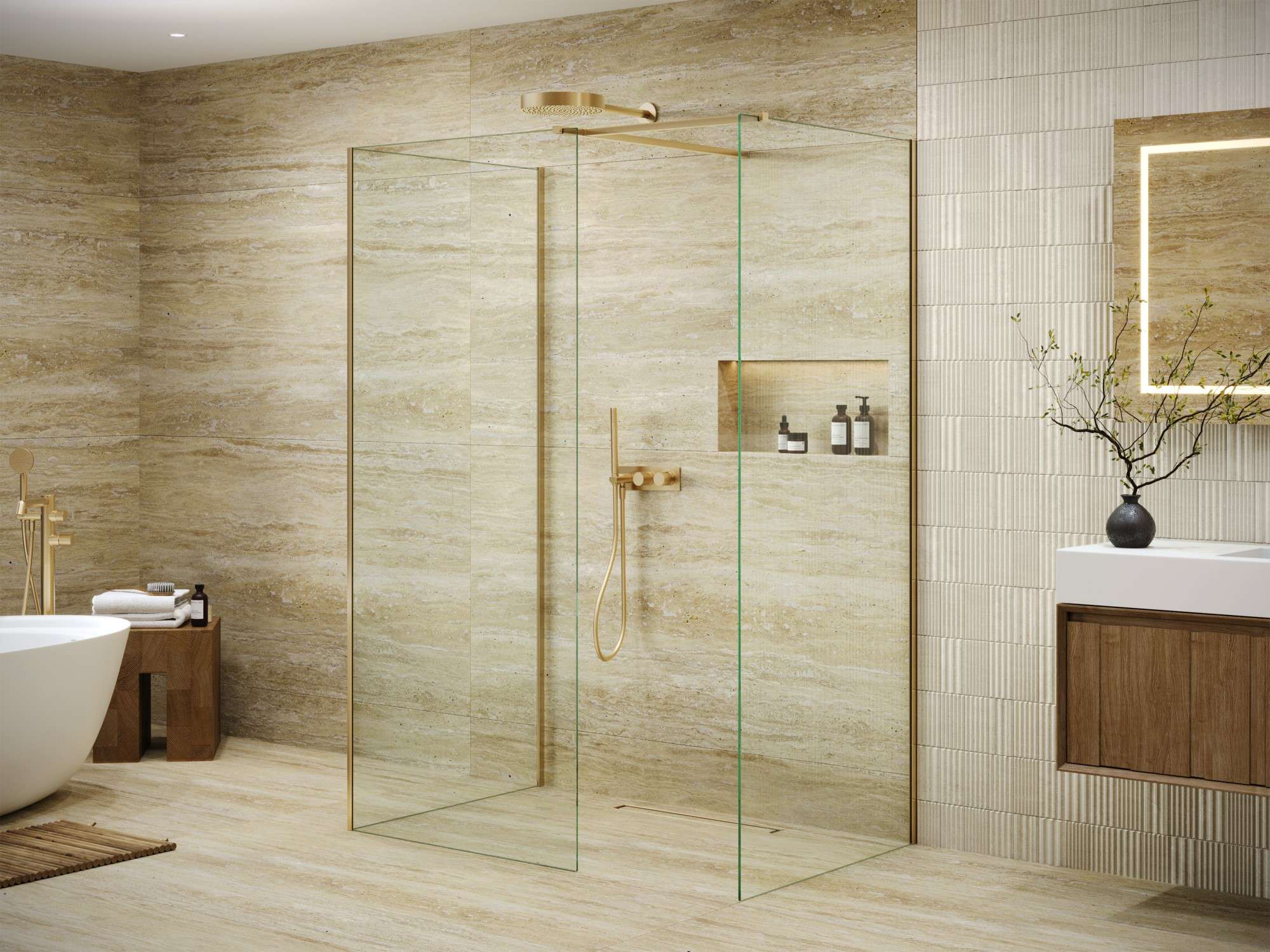
2. Semi-Frameless Enclosures
Semi-frameless enclosures combine slim framing with minimal visible structure.
Advantages:
- Lighter visual appearance
- Balanced cost vs aesthetics
- Good durability
Many contemporary ranges from Roman fall into this category, offering sleek design without full frameless pricing.
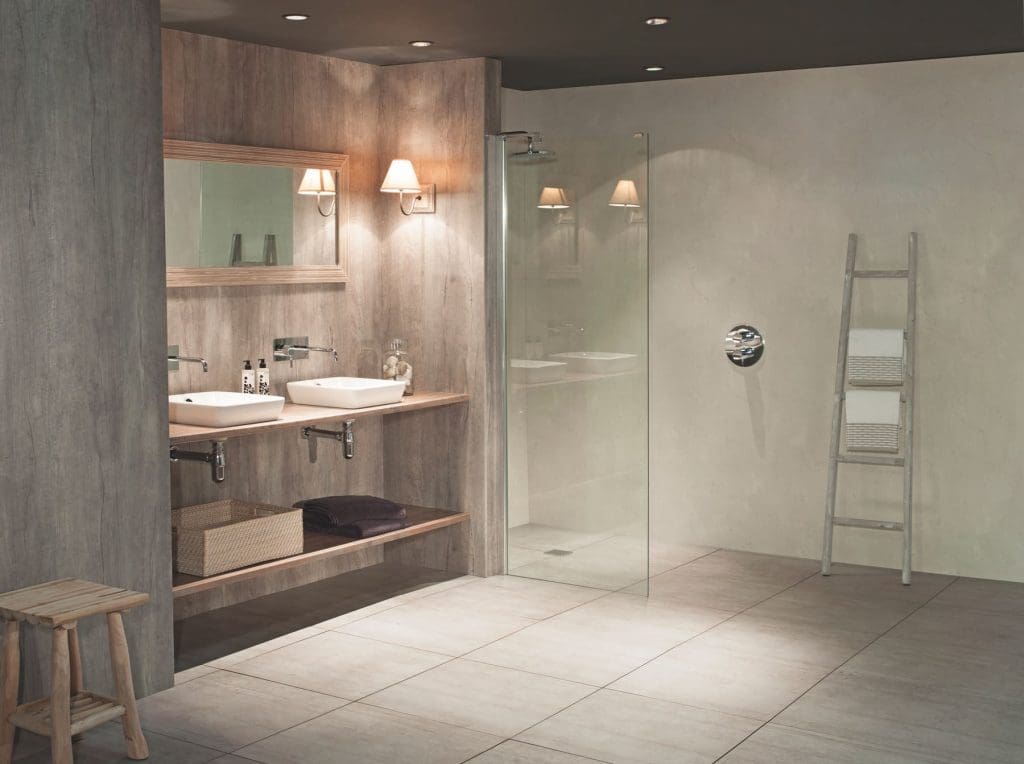
3. Frameless Shower Enclosures
Frameless enclosures use thicker glass and minimal hardware for a seamless look.
Advantages:
- Premium aesthetic
- Maximises light flow
- Ideal for modern bathrooms
Considerations:
- Higher cost
- Requires accurate installation
- Glass thickness is critical
Frameless designs are often paired with slimline shower trays from Acquabella to create a clean, architectural finish.
Understanding Shower Glass Thickness
Glass thickness directly impacts durability, feel and price.
6mm Glass
- Common in mid-range enclosures
- Lightweight
- Suitable for smaller doors
8mm Glass
- Premium mid-range
- More solid feel
- Reduced flex
10mm Glass
- Typically frameless systems
- Heavy, robust feel
- Requires strong hinges and support
In most UK homes, 8mm glass offers the best balance between durability and cost.
Shower Door Styles Explained
1. Sliding Doors
Sliding doors run along tracks and do not require outward clearance.
Best For:
- Smaller bathrooms
- Tight layouts
- Family bathrooms
Considerations:
- Track cleaning required
- Slightly more mechanical components
2. Hinged Doors
Hinged doors open outward like a traditional door.
Best For:
- Larger bathrooms
- Frameless systems
- Premium designs
Considerations:
- Requires floor space clearance
3. Pivot Doors
Pivot doors rotate on a central axis.
Advantages:
- Flexible opening
- Works in medium spaces
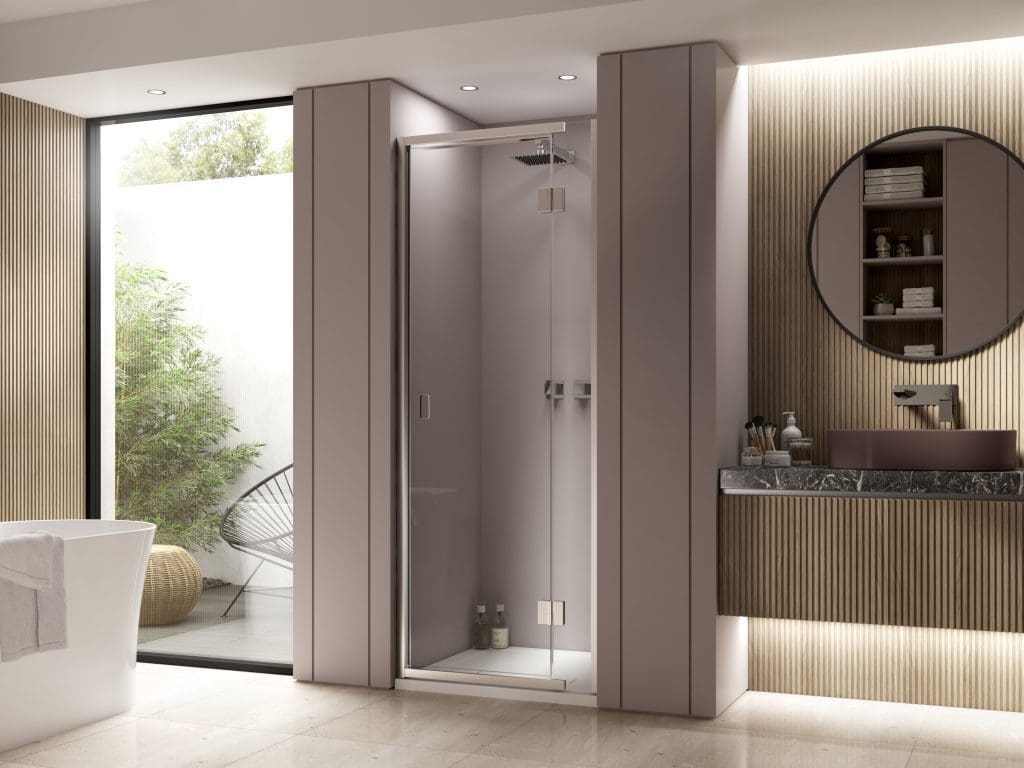
4. Bi-Fold Doors
Bi-fold doors fold inward.
Best For:
- Very compact bathrooms
- En-suites
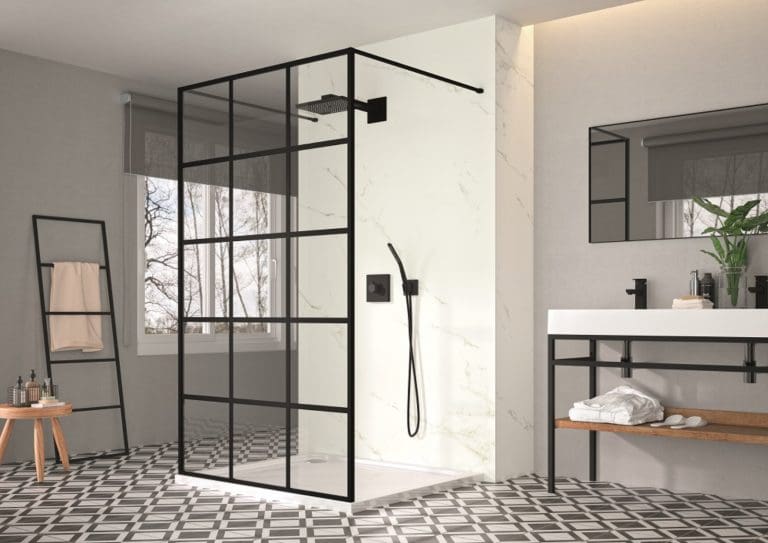
5. Walk-In Shower Panels
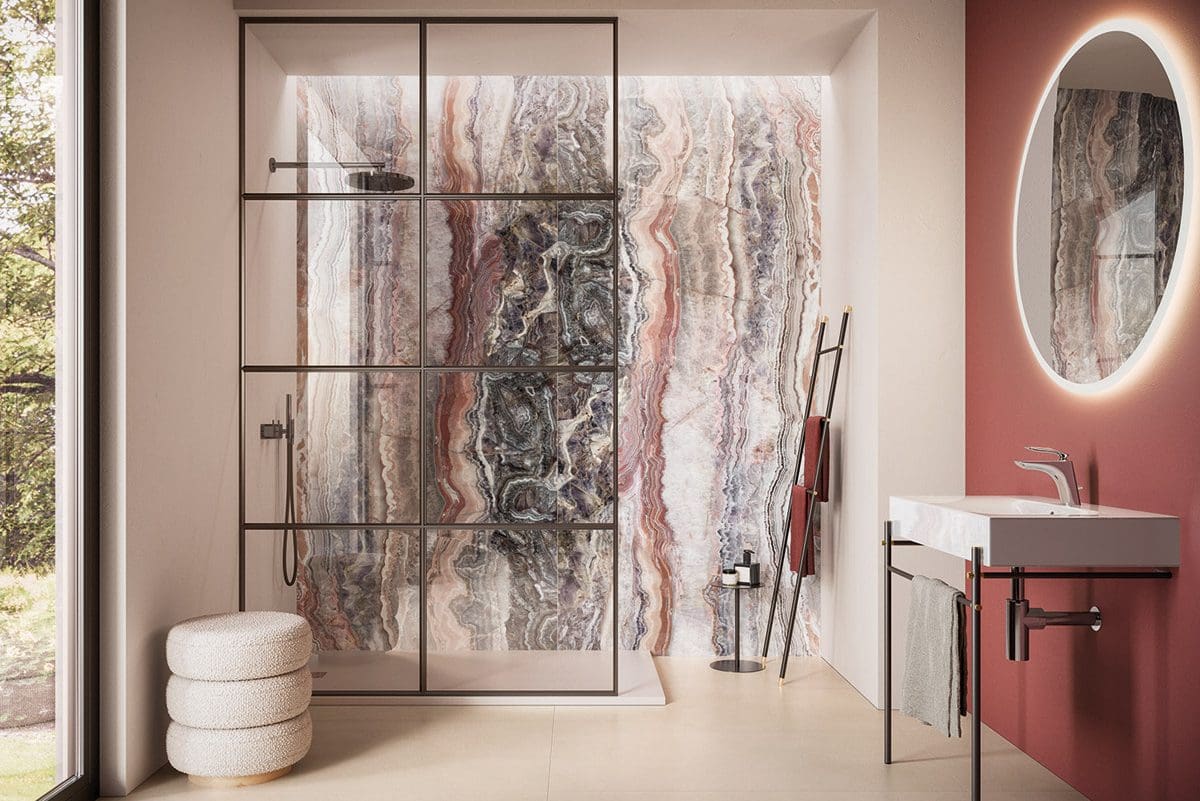
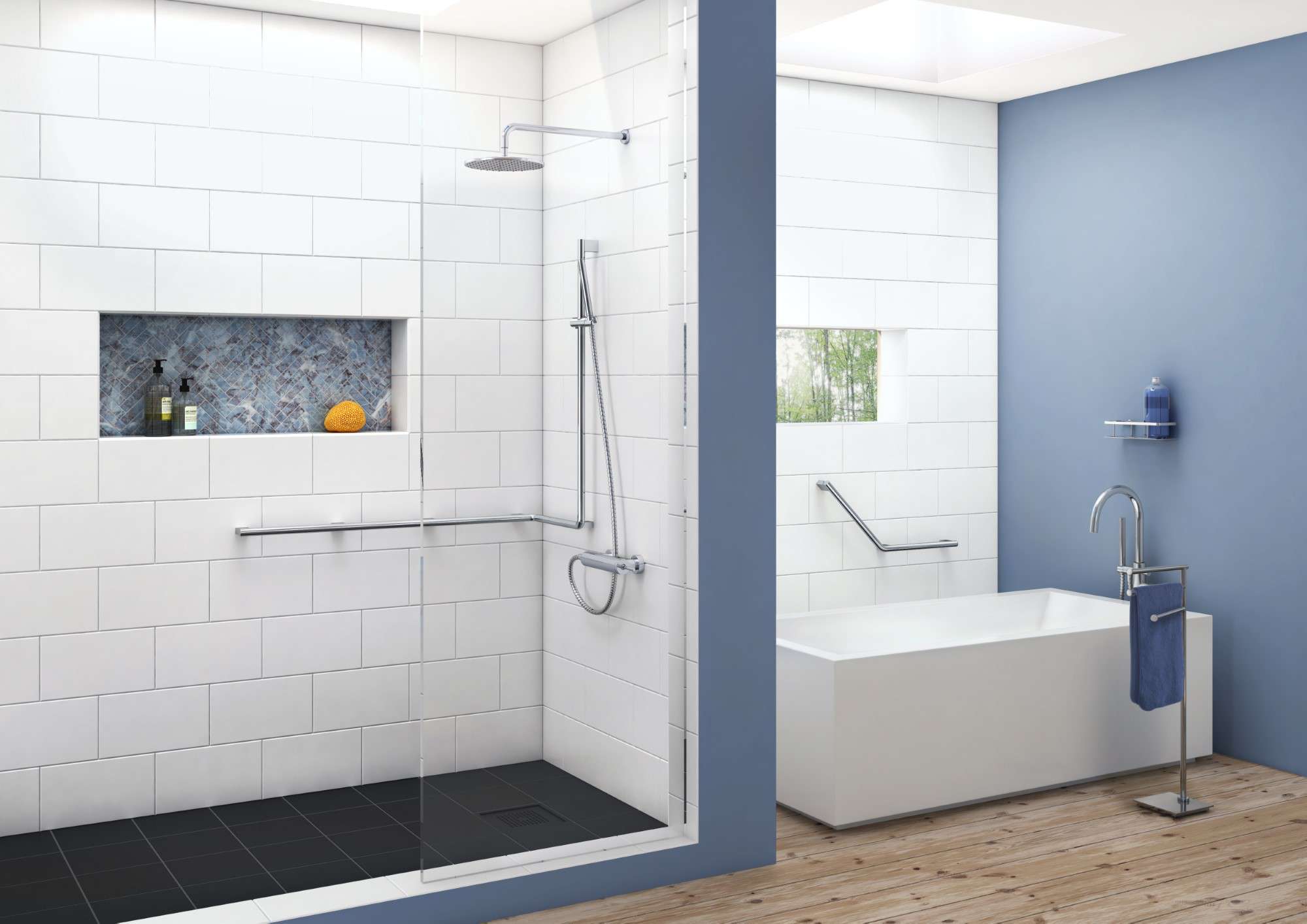
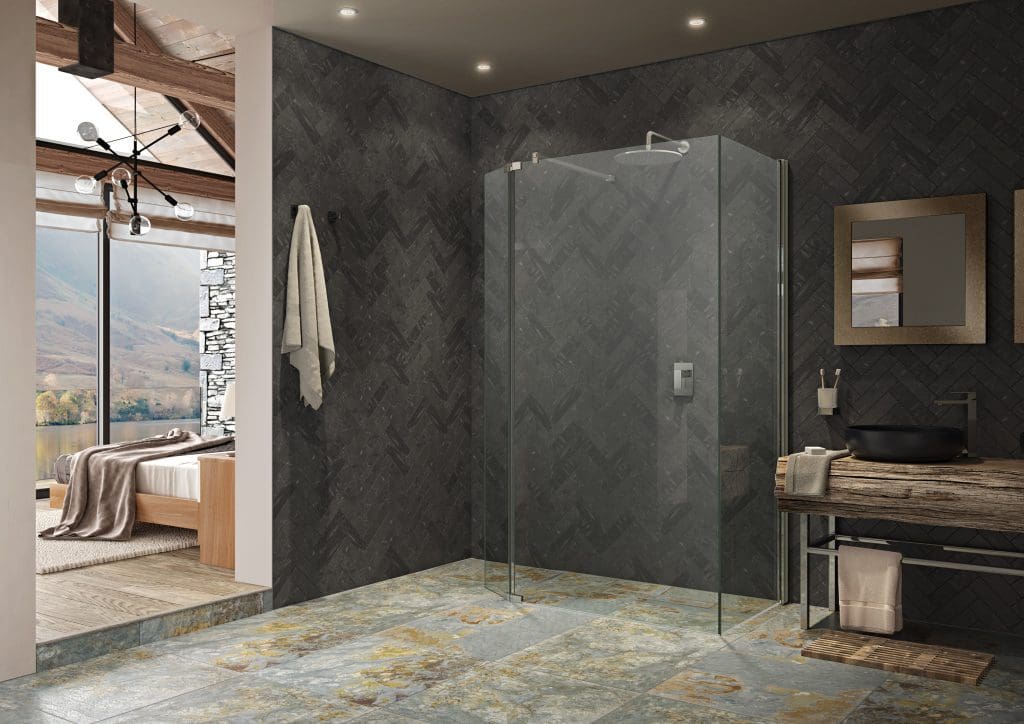
Walk-in enclosures use fixed panels without doors.
Advantages:
- Minimalist look
- Easy access
- Contemporary aesthetic
Often combined with thermostatic shower systems and slim trays.
Shower Enclosure Shapes
- Quadrant Enclosures
Curved front, ideal for corner installations and saving space.
- Square & Rectangular Enclosures
More traditional layout; works well with modern bathroom furniture.
- Offset Quadrant
Provides additional internal shower space without extending too far into the room.
Choosing the Right Shower Enclosure for Your Space
Consider:
1. Room Size
Small bathroom? Sliding or quadrant works best.
2. Clearance
Check door swing space before selecting hinged models.
3. Tray Compatibility
Ensure tray dimensions align precisely.
4. Wall Construction
Frameless systems require strong fixing points.
Hard Water & Maintenance Considerations (UK Specific)
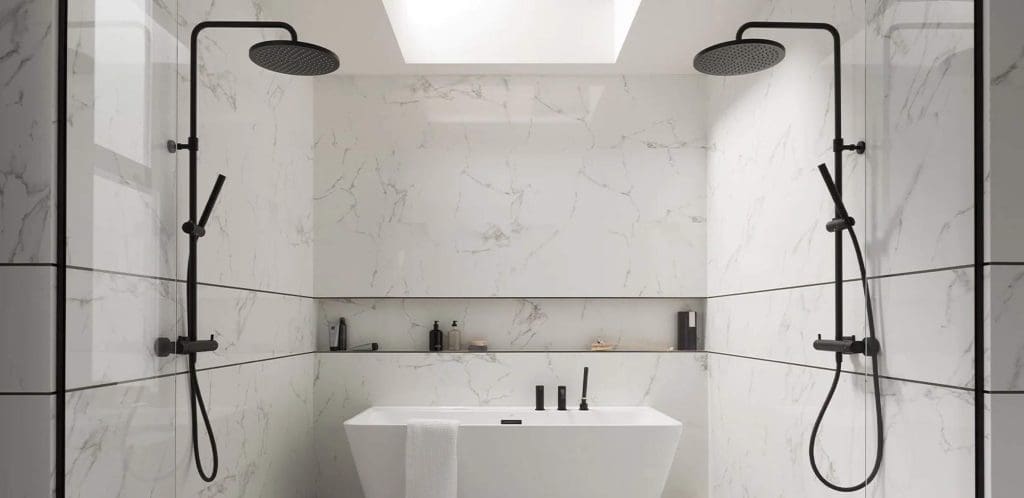
In hard water areas:
- Choose glass with protective coating
- Wipe down after use
- Avoid abrasive cleaning products
Most modern shower enclosures include easy-clean glass technology.
Frame Finishes & Design Coordination
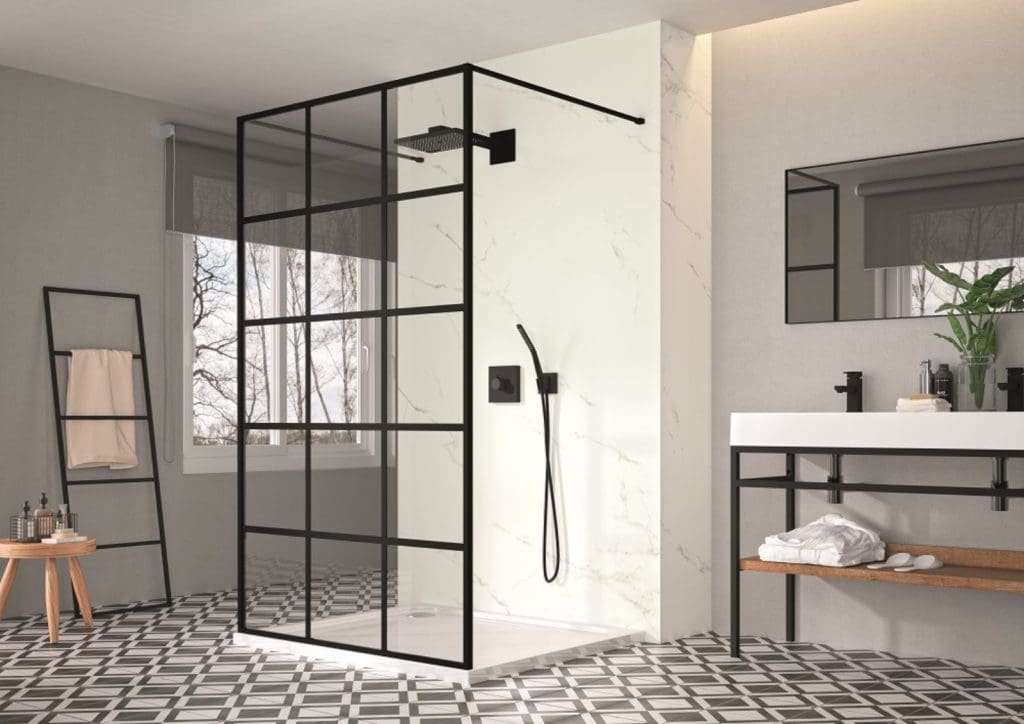
Beyond chrome, shower enclosures are now available in:
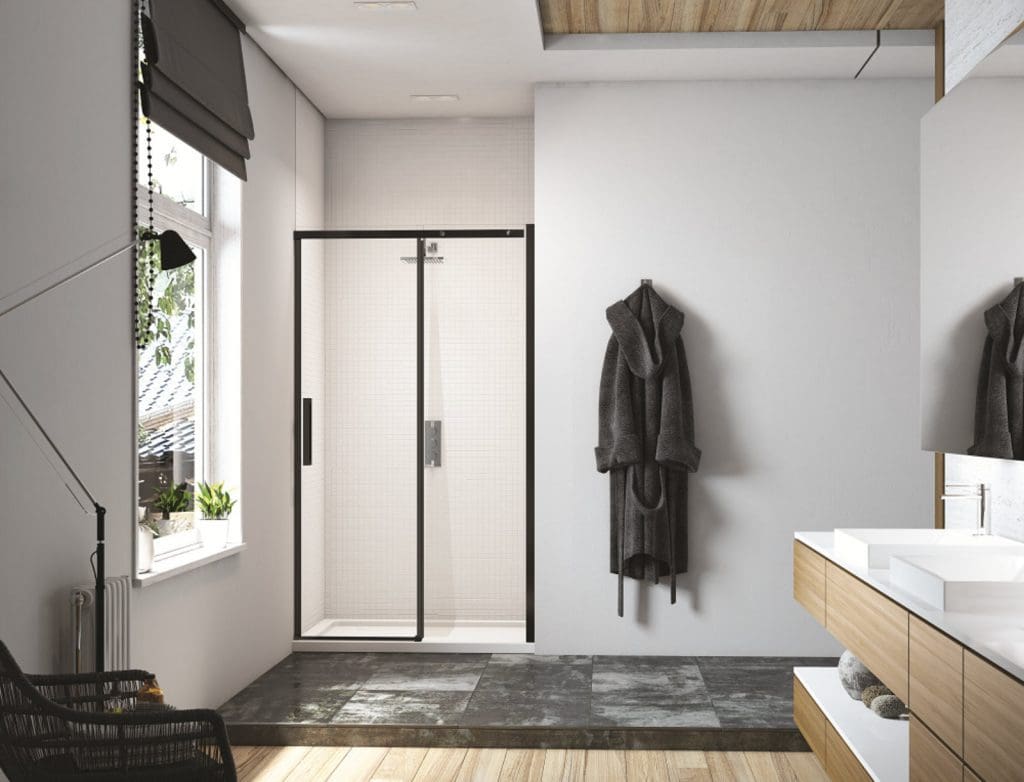
- Matt black (popular with black brassware)
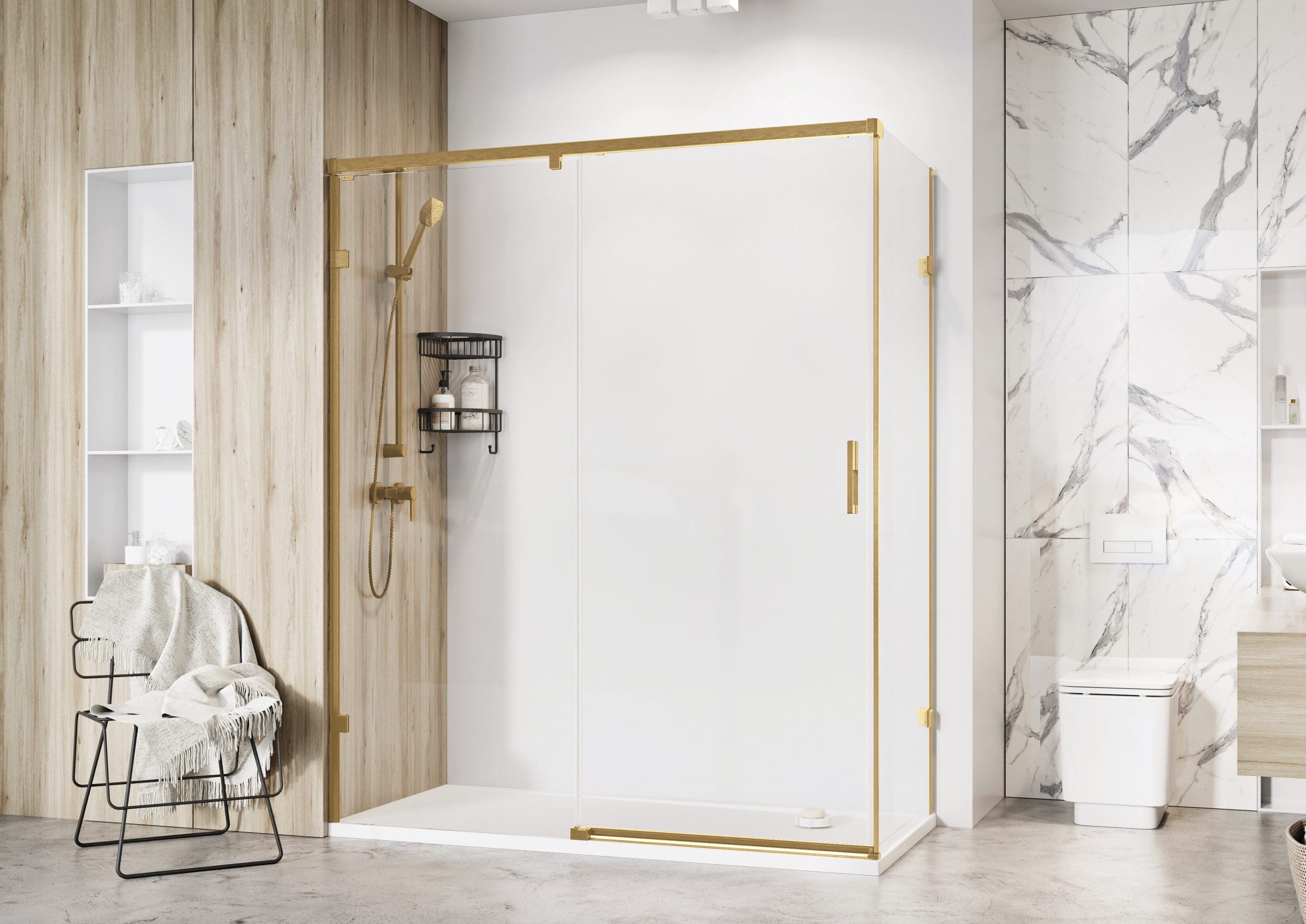
- Brushed brass
- Brushed nickel
Black-framed enclosures from Roman pair particularly well with matt black taps from Ramon Soler and coordinated accessories.

Installation Matters
Correct installation affects:
- Door alignment
- Water sealing
- Longevity
Improper fitting can lead to leaks or misaligned doors, regardless of enclosure quality.
Shower Cost Considerations
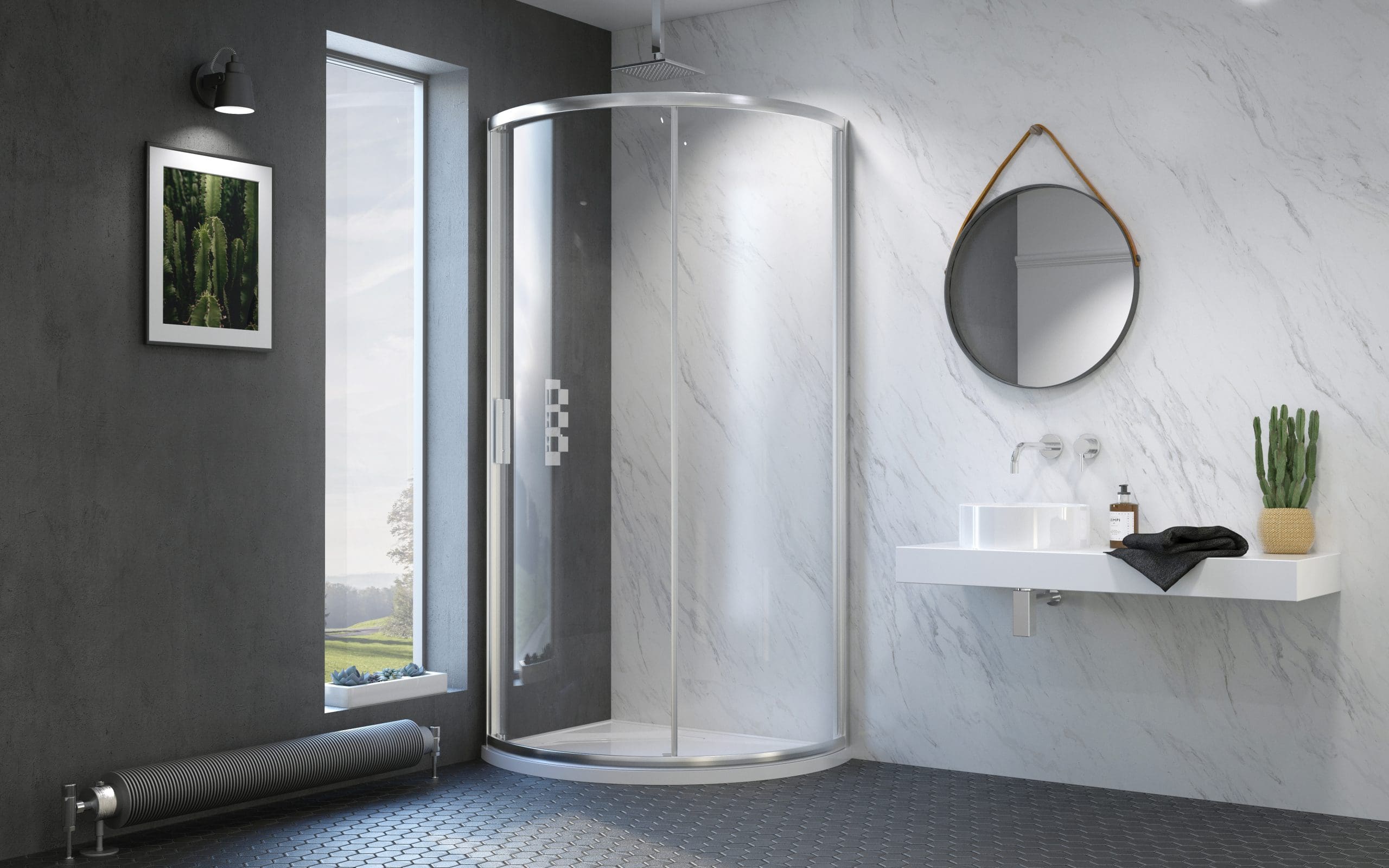
Price varies based on:
- Glass thickness
- Frame material
- Brand reputation
- Door mechanism complexity
Fully framed enclosures are generally more budget-friendly, while frameless options command a premium.
Frequently Asked Questions: Shower Enclosures
What thickness glass is best for a shower enclosure?
8mm glass is typically the best balance between durability and cost in UK homes.
Are frameless shower enclosures stronger?
They use thicker glass and strong hinges but require accurate installation.
Do sliding shower doors leak?
When installed properly with correct seals, sliding doors perform reliably
Are black shower enclosures harder to maintain?
No, though limescale may be more visible if left untreated.
What is the most popular shower enclosure style in the UK?
Sliding and walk-in designs remain highly popular.
Final Thoughts
A shower enclosure is more than a glass screen — it defines the practicality, appearance and usability of your bathroom. By understanding frame types, glass thickness, door mechanisms and layout constraints, you can choose an enclosure that performs reliably and complements your design vision.
Selecting reputable brands and coordinating with compatible trays and brassware ensures a cohesive and durable result.
For further help in planning your perfect bathroom space, contact your local Bathroom Specialists today.
Author Note
Reviewed by the Bathroom Product Advisory Team at My Bathroom Specialist. This guide reflects aggregated insight from UK bathroom installations and product specifications across leading brands including Roman, Acquabella, Sonas and Ramon Soler.