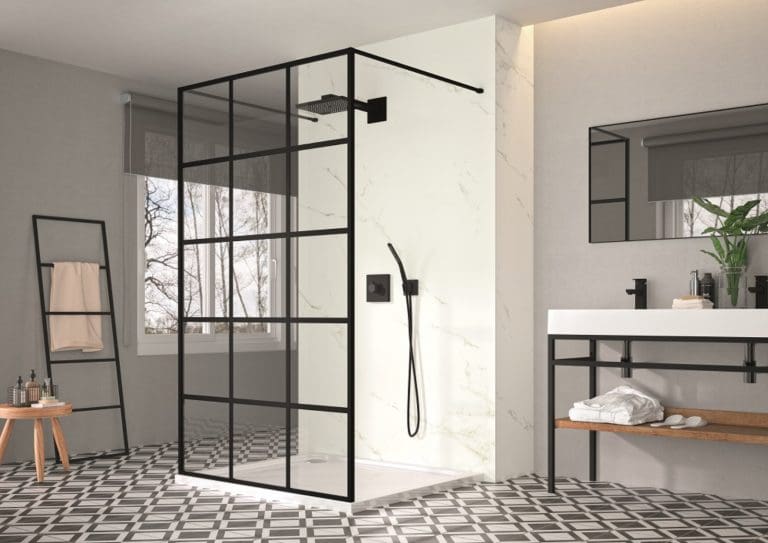

Shower Trays Explained: A Homeowner’s Guide to Types, Materials, Sizes & Installation
When planning a new bathroom, most homeowners focus on tiles, taps and shower enclosures. Yet one of the most important decisions sits quite literally under your feet — the shower tray.
The shower tray forms the foundation of your showering space. It determines how water drains, how easy the shower is to access, how safe it feels underfoot and how modern the overall design looks.
Choosing the right shower tray isn’t just about size. It’s about understanding materials, installation requirements, floor structure and how the tray will perform in daily family life.
In this My Bathroom Specialists guide, we’ll explain everything UK homeowners need to know about shower trays — from slimline styles to drainage gradients — so you can make a confident, informed decision.

What Is a Shower Tray?
A shower tray is the waterproof base of a shower enclosure. It collects water and directs it towards a waste outlet, preventing leaks and protecting the surrounding floor structure.
It sits either directly on the floor, slightly raised, or recessed into the floor for a level-access finish.
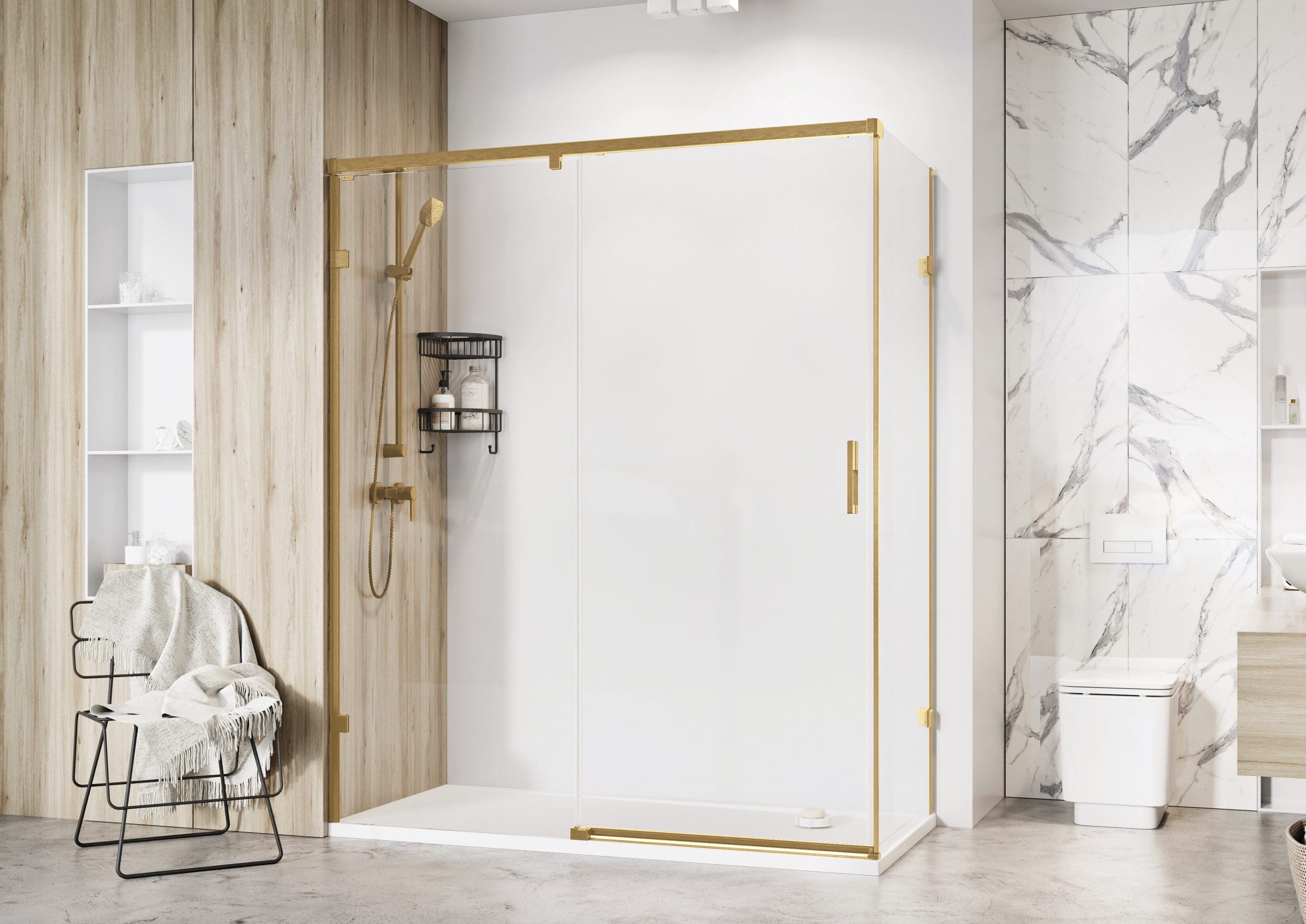
Why Your Shower Tray Choice Matters
It’s easy to think of a shower tray as a simple base. In reality, it affects:
- Drainage performance
- Ease of cleaning
- Slip resistance
- Installation complexity
- Accessibility
- Overall appearance
If the tray is poorly chosen or incorrectly installed, you may experience:
- Water pooling
- Slow drainage
- Leaks
- Cracking
- Height issues at the enclosure
Getting it right from the start avoids costly corrections later.
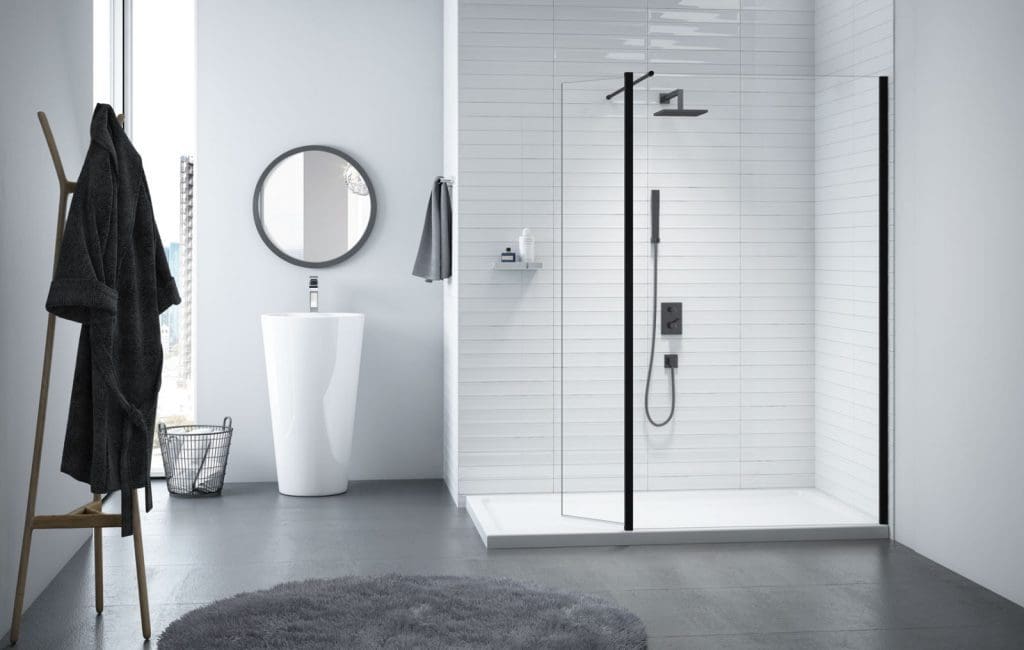
The Main Types of Shower Trays
Let’s look at the different styles available and when they’re most suitable.
1️⃣ Slimline (Low-Profile) Shower Trays
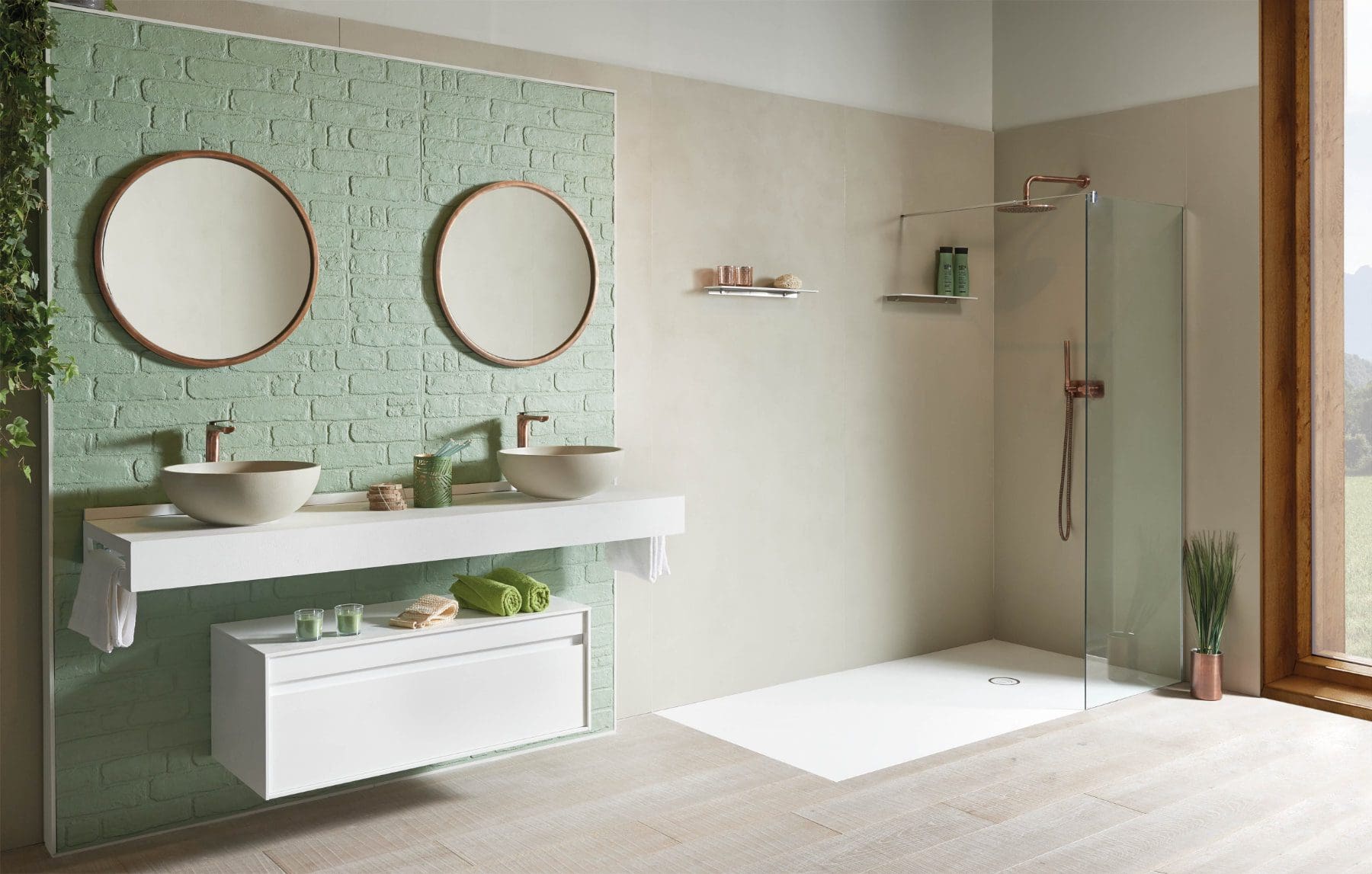
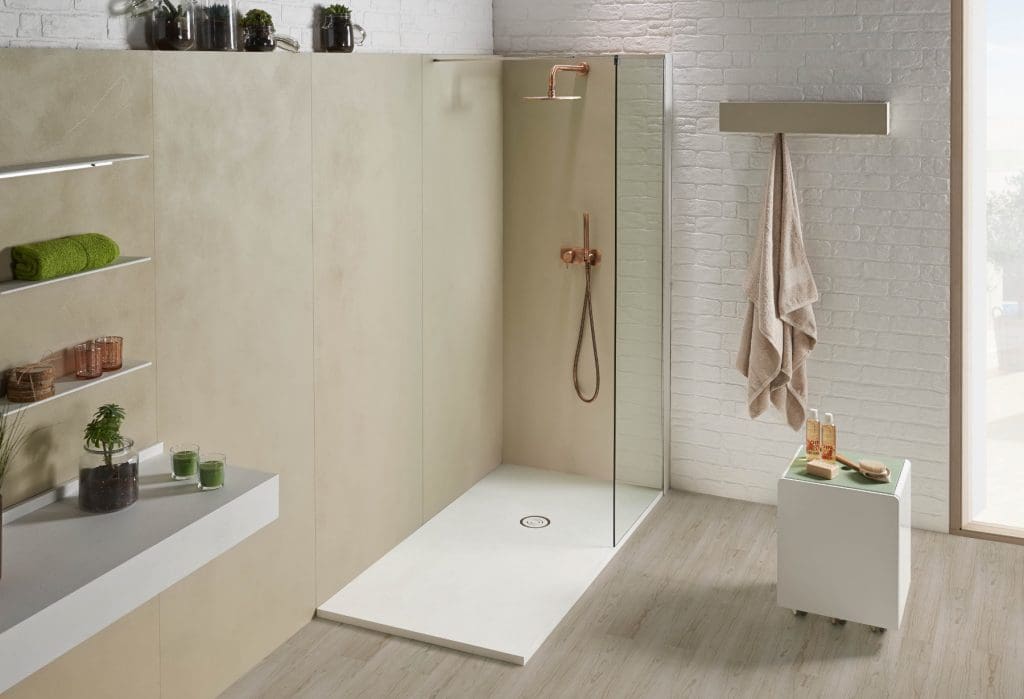
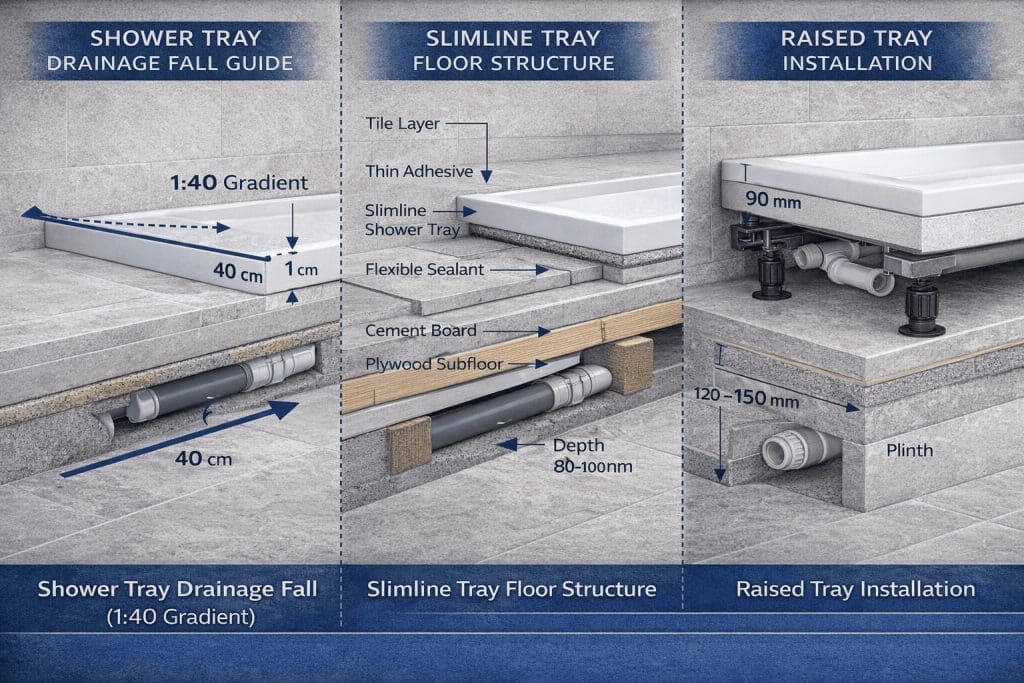
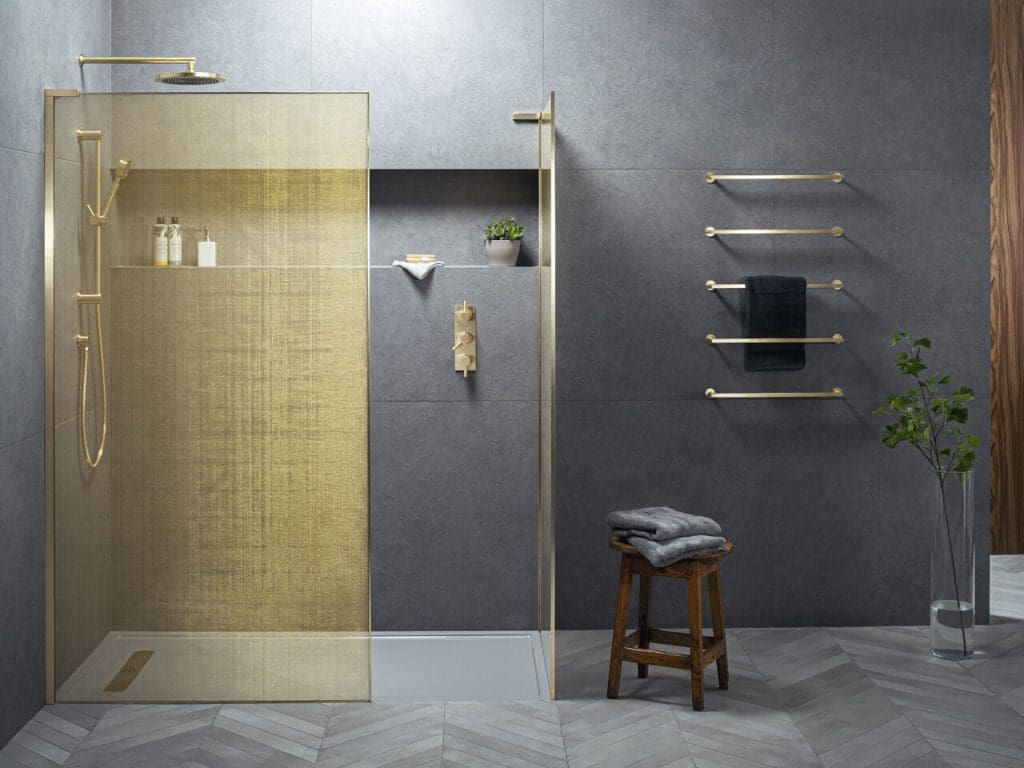
Slimline shower trays typically measure between 25mm and 45mm high. They create a contemporary, almost “floating” look and are very popular in modern UK bathrooms.
Why homeowners choose them:
- Minimalist appearance
- Easier step-in access
- Works beautifully with frameless enclosures
What to consider:
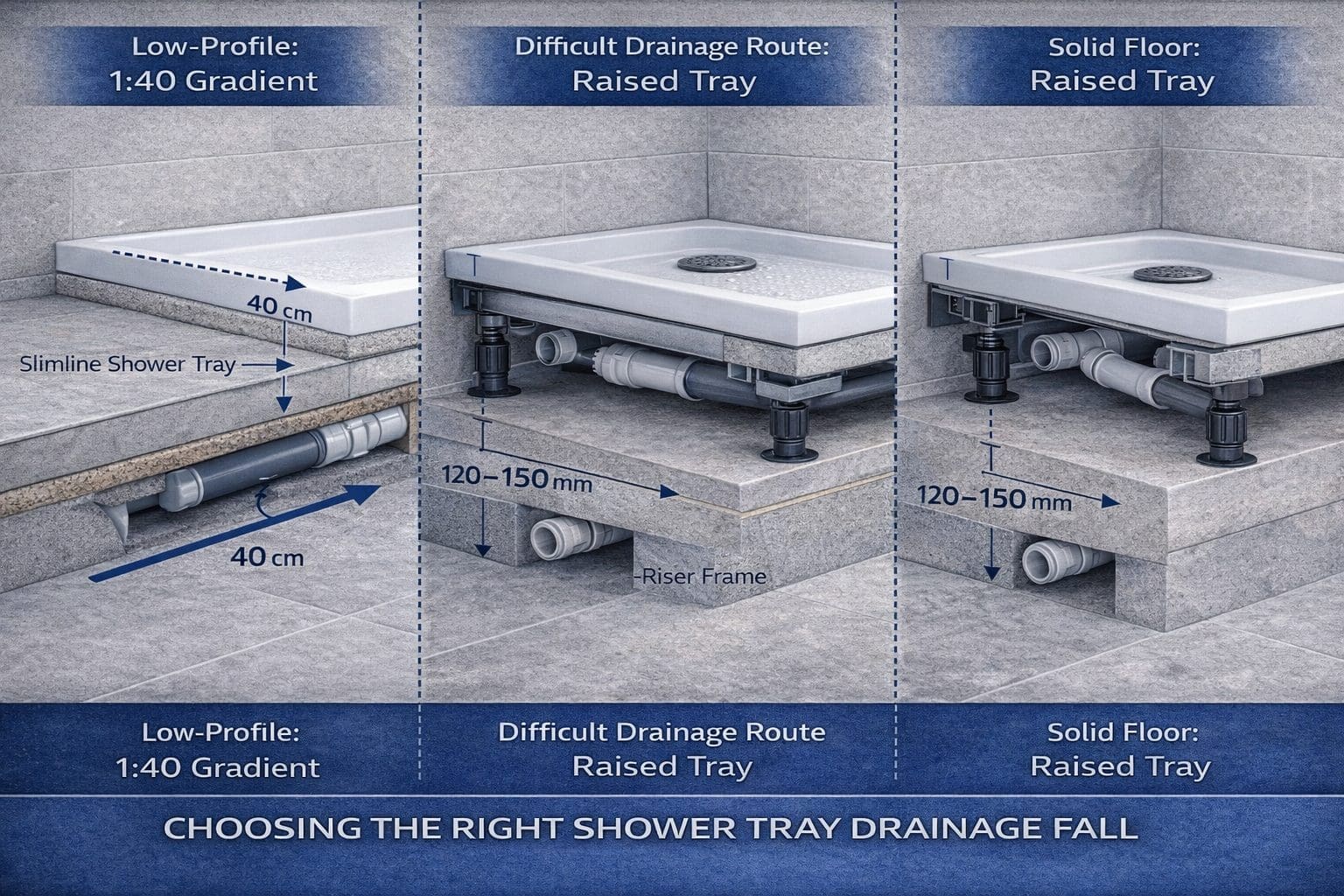
Slimline shower trays require sufficient floor depth underneath to accommodate the waste pipe and correct drainage fall (usually 1:40). In upstairs bathrooms, joist depth may limit options.
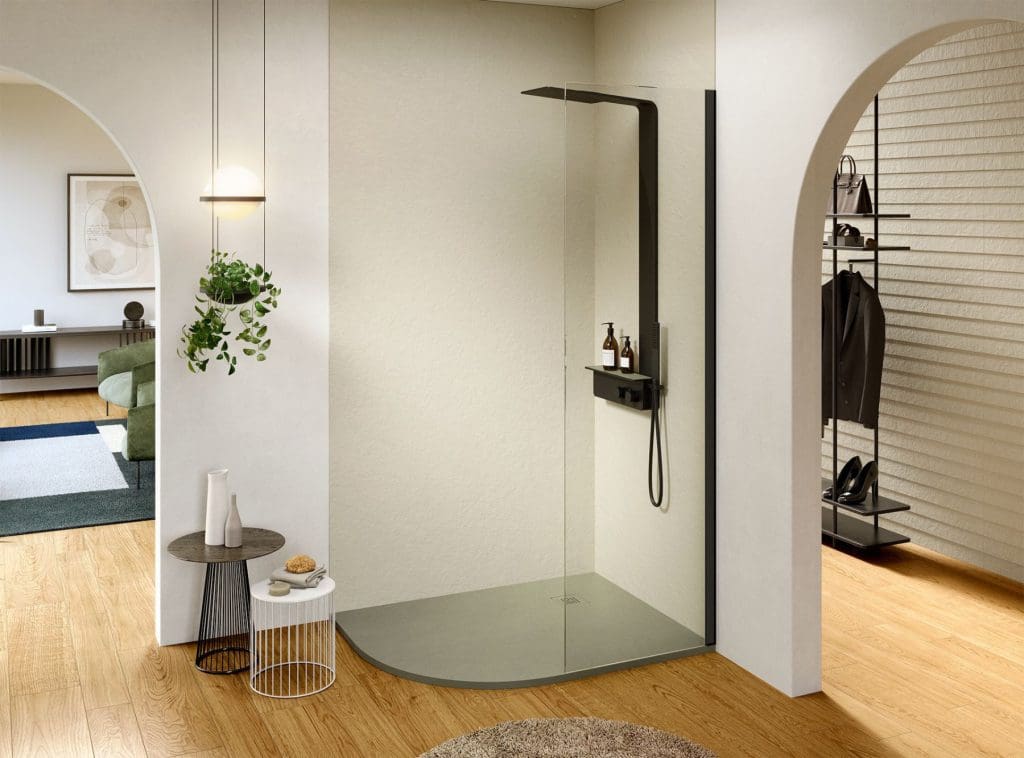
Slim mineral composite trays — such as those found in premium contemporary collections — offer strength despite their low height.
Best for:
- Modern renovations
- Walk-in shower designs
- Homes seeking a clean, architectural finish
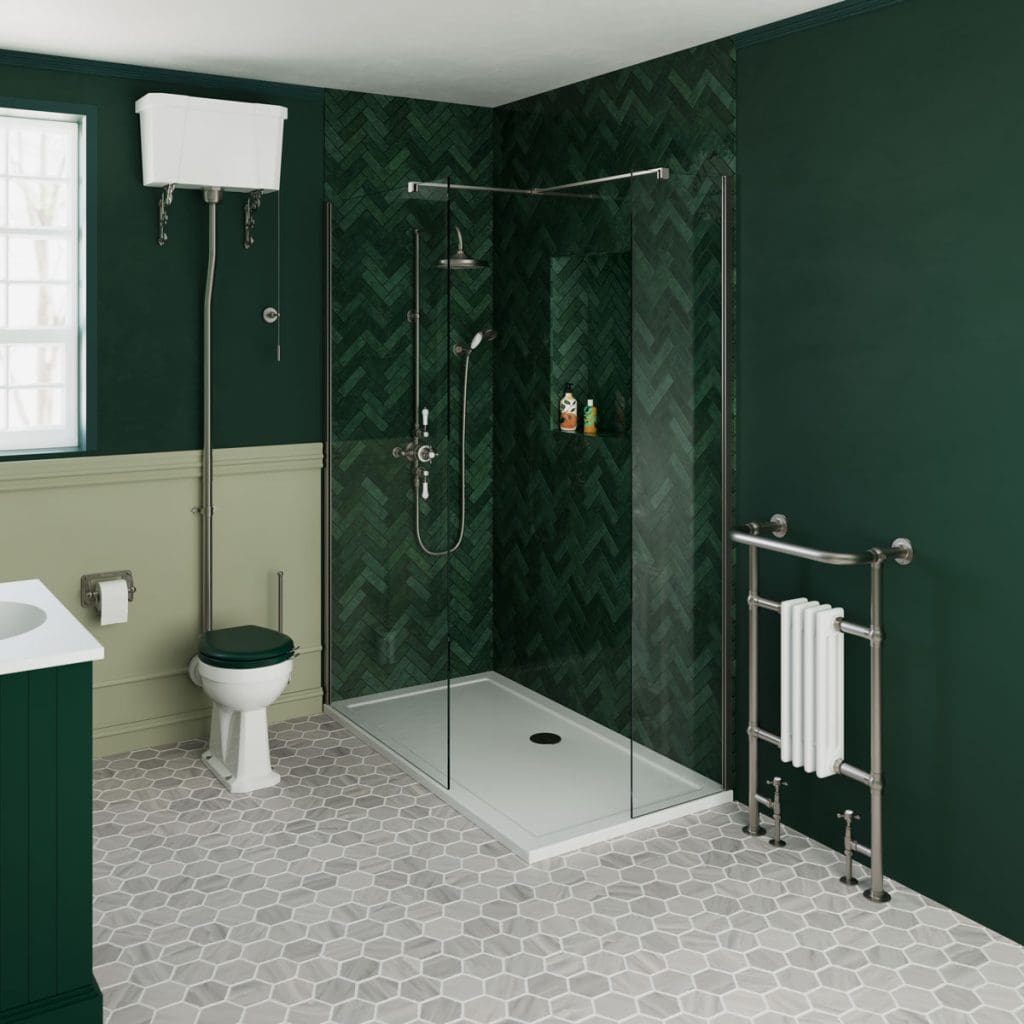
2️⃣Standard Height Shower Trays
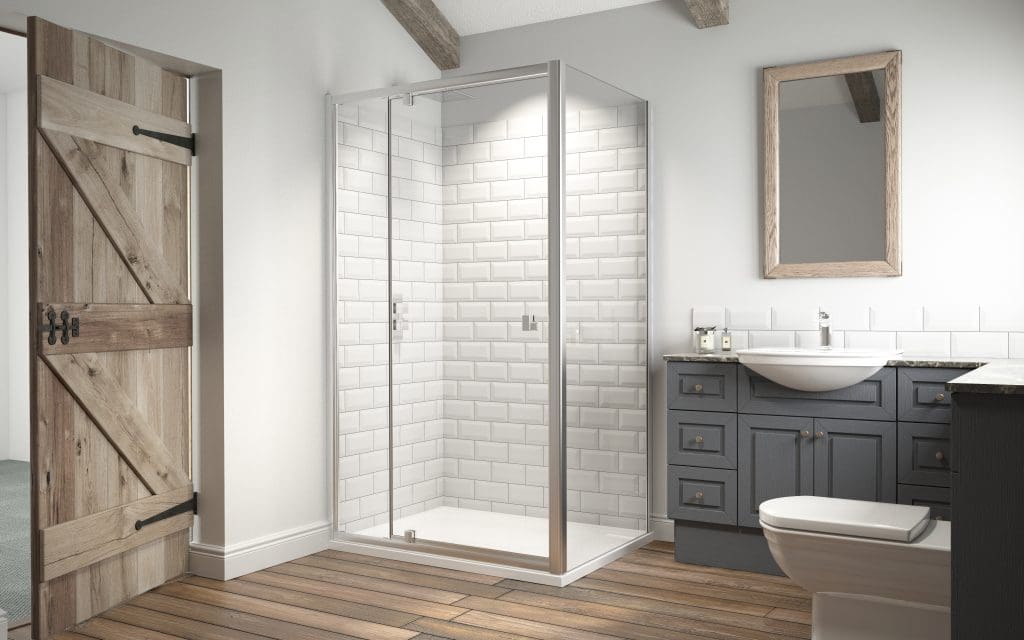
Typically 70mm–100mm high, these are more traditional.
Why they’re practical:
- Easier waste pipe routing
- Suitable for properties with limited subfloor space
- Good for retrofit projects
Although less visually minimal than slimline shower trays, they are often simpler to install in older homes.
3️⃣ Raised Shower Trays (With Riser Kits)
These sit on a supporting frame or plinth to allow pipework underneath.
Ideal when:
- Installed on solid concrete floors
- Drainage pipework cannot be recessed
- Retrofitting into an existing bathroom
They are more visible but extremely practical in challenging layouts.
4️⃣ Wet Room or Flush-Fit Trays
These allow the tray to sit level with the floor, creating step-free access.
Often combined with:
- Walk-in glass panels
- Linear drains
- Tiled flooring
They require professional waterproofing and careful installation but offer excellent accessibility and modern appeal.
Shower Tray Materials Explained
The material of a shower tray significantly affects durability, weight, warmth and comfort.
Acrylic-Capped Stone Resin Shower Trays
This is one of the most common materials in UK homes.
It combines:
- A strong stone-resin core
- A smooth acrylic surface
Benefits:
- Durable
- Good heat retention
- Comfortable underfoot
- Cost-effective
Suitable for most family bathrooms.
Mineral Composite / Solid Surface Shower Trays
Often used in slimmer, premium trays.
Benefits:
- Extremely strong
- Sleek appearance
- Often textured for slip resistance
- Available in contemporary colours
These trays tend to feel more substantial and refined.

Ceramic Shower Trays
Less common for UK shower trays today but still available.
Benefits:
- Very hard surface
- Easy to clean
Downsides:
- Heavy
- Less design flexibility
- More prone to chipping if impacted
Choosing the Right Size Shower Tray
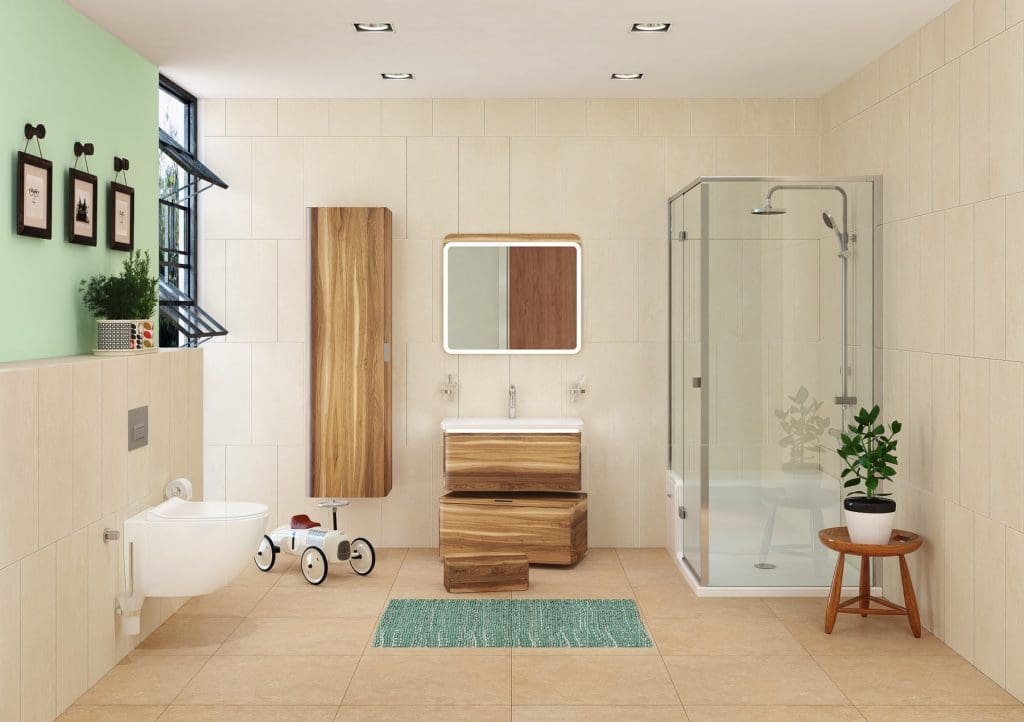
Size selection depends on available space and layout.
Common UK tray sizes include:
- 800 x 800mm
- 900 x 900mm
- 1200 x 800mm
- 1400 x 900mm
If space allows, opt for the largest tray that comfortably fits. Larger trays improve usability and reduce water splash risk.
Shower Tray Shapes
- Square
Best for compact bathrooms. - Rectangular
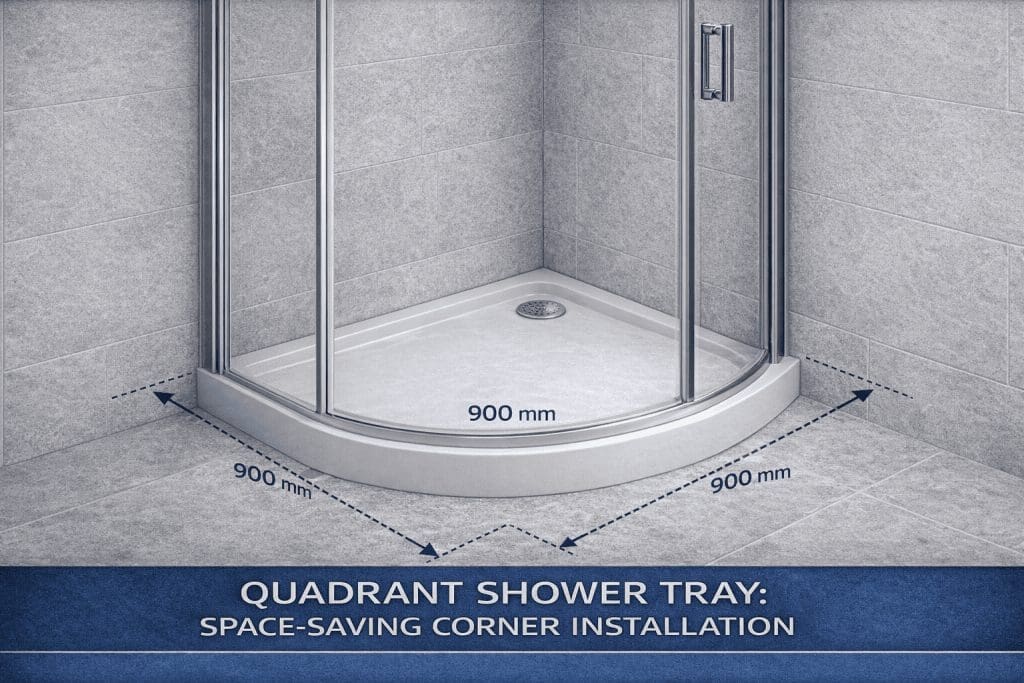
Offers more internal space and flexibility. - Quadrant
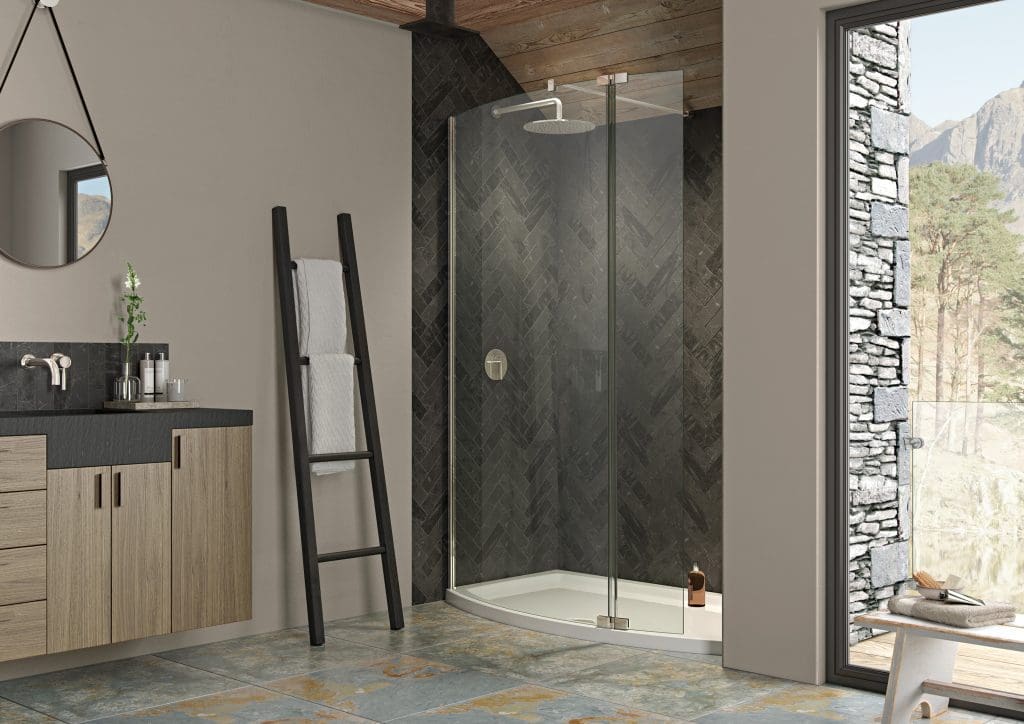
Curved front; ideal for corners and small bathrooms. - Offset Quadrant
Provides extra showering space without dominating the room.
Drainage & Waste: What Homeowners Should Know
Proper drainage is essential.
Key points:
- Standard UK waste pipe: 40mm
- Recommended fall: 1:40 gradient
- Waste trap depth varies
If installing a slim tray upstairs, ensure your floor can accommodate the correct drainage fall.
Poor drainage planning can result in slow water flow or standing water.
Anti-Slip Surfaces: Are They Worth It?
For family bathrooms, yes.
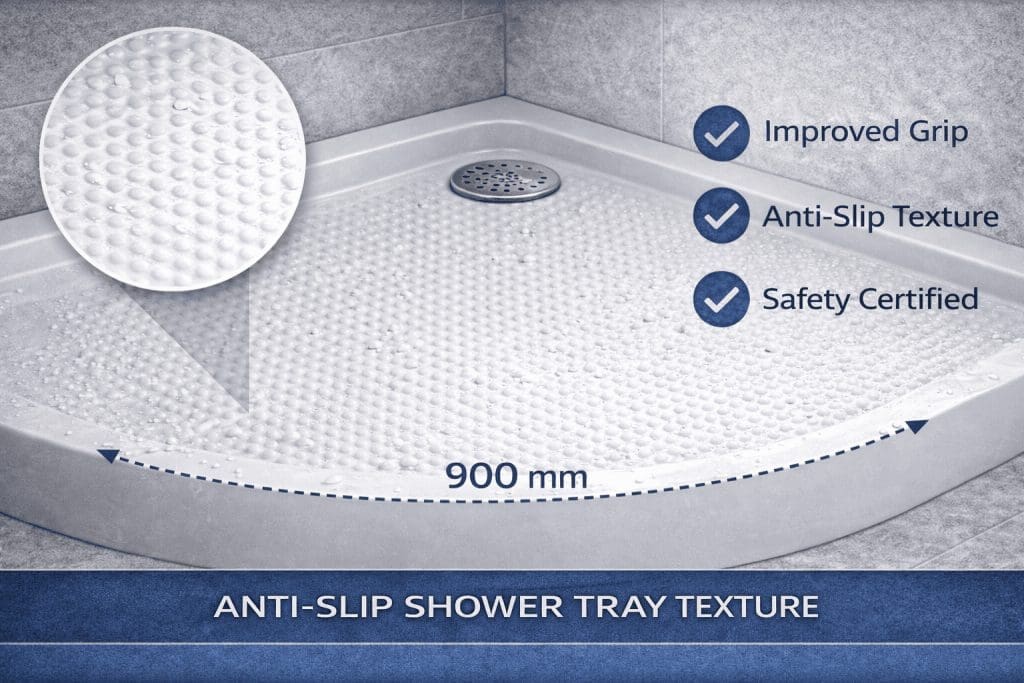
Anti-slip trays feature subtle texturing that improves grip when wet. They are particularly helpful in:
- Homes with children
- Multi-generational households
- Walk-in shower layouts
Always check slip ratings if safety is a priority.
Shower Tray Installation Basics (In Simple Terms)
While installation should always be carried out professionally, it helps to understand the basics.
A correctly installed shower tray should:
- Sit completely level
- Be fully supported underneath
- Be sealed properly at edges
- Align precisely with enclosure
Even a slight unevenness can affect door alignment or water containment.
Hard Water Considerations in the UK
In hard water areas:
- Clean trays regularly
- Avoid harsh abrasives
- Pay attention to waste buildup
Textured trays may require gentle brushing to prevent soap residue collecting.
Budget Considerations
Shower tray pricing depends on:
- Material
- Thickness
- Size
- Brand
- Finish
While it’s tempting to choose the lowest-cost option, the shower tray is not an area to cut corners. It supports daily use and protects your flooring beneath.
Accessibility & Future Planning
If planning long-term:
- Consider lower-profile trays
- Think about step-free access
- Choose slip-resistant finishes
Bathrooms should adapt with your household’s needs over time.
Frequently Asked Questions
What is the best shower tray for a family bathroom?
A durable stone resin or mineral composite tray with anti-slip surface is ideal.
Are slimline shower trays strong enough?
Yes — quality trays are reinforced internally and designed for everyday use.
Can you replace a shower tray without replacing tiles?
Sometimes, but it depends on installation method.
What size tray is most popular in the UK?
900 x 900mm and 1200 x 800mm are common.
How long should a shower tray last?
A well-installed quality tray can last many years without issue.
Shower Trays Explained: Final Thoughts
Although often overlooked, the shower tray plays a crucial role in how your bathroom functions and feels. From drainage performance to accessibility and design impact, it influences daily comfort more than many homeowners realise.
By understanding tray types, materials and installation requirements, you can choose a solution that works reliably, looks great and supports your lifestyle for years to come.