
The Pros and Cons of Freestanding Baths: An Expert Guide for Modern UK Bathrooms
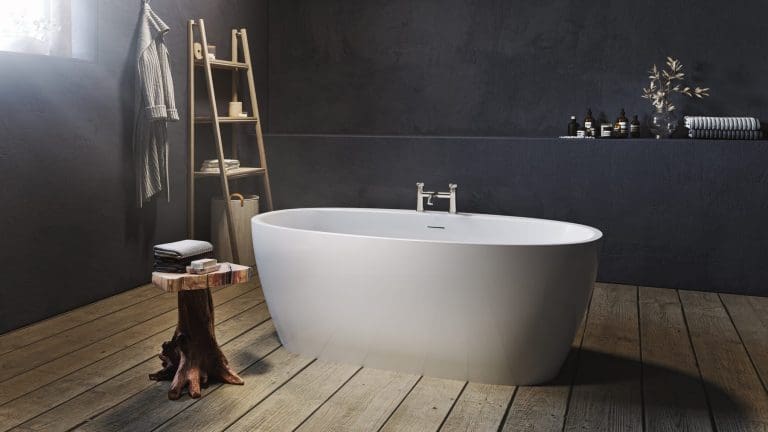
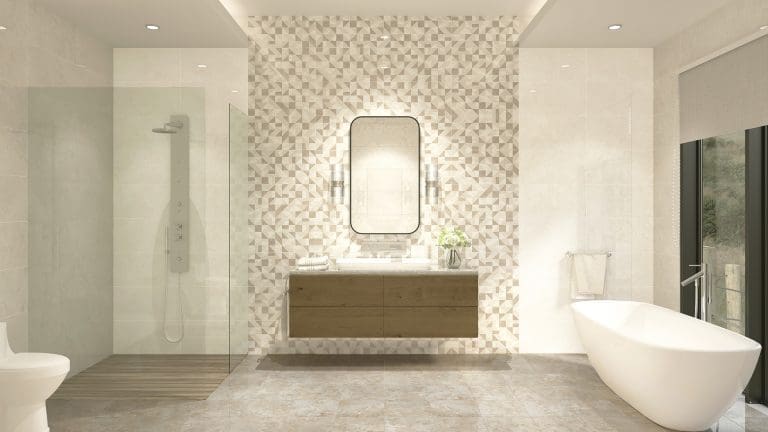
Freestanding baths have become one of the most searched-for features in UK bathroom design. You will see them in luxury hotels, boutique homes, and high-end property developments because they provide an instant focal point and bring a sense of comfort and relaxation into a bathroom. If you are planning a bathroom renovation and considering whether a freestanding bath is right for you, it is worth weighing up both the practical benefits and the limitations before making a commitment. You will also want to consider how a freestanding bath will affect your layout, plumbing, and the usability of the room day to day.
In this guide, our Bathroom Specialists provide a full breakdown of the pros and cons of freestanding baths, insight into different materials and shapes, and expert advice on what to consider before buying. Our aim is to help you make a confident, well-informed decision that supports both the design and functionality of your bathroom.
Why Freestanding Baths Remain a Popular Choice
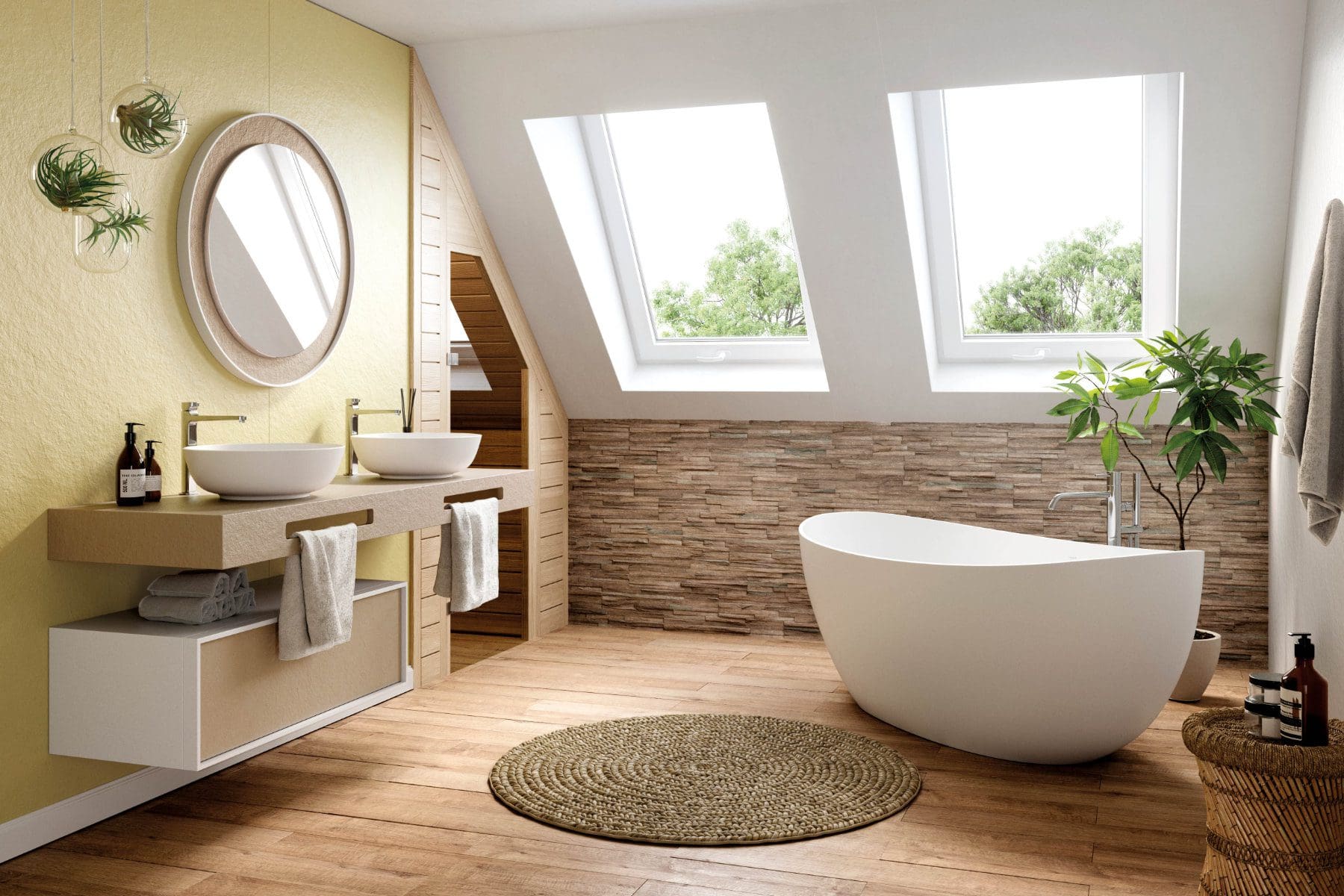
Freestanding baths have a strong design presence. They work exceptionally well in both modern and traditional bathrooms, and they continue to dominate bathroom inspiration on social media, Pinterest, and interior magazines. You may be drawn to the idea of having one as a statement piece, yet the appeal goes far beyond aesthetics. Many homeowners view these baths as a way to introduce personal relaxation into their daily routine, turning the bathroom into a private retreat.
Popular bathroom brands such as Sonas, Acquabella, Utopia, and Decosan have expanded their collections of freestanding baths in recent years because they know UK homeowners are seeking standout centrepieces that also offer comfort and durability. The result is a broad mix of styles, from slim-rimmed contemporary shapes to deep, traditional roll-top designs.
The Main Advantages of Freestanding Baths
If you are exploring freestanding bath ideas or comparing different types of freestanding baths, here are the benefits that most homeowners appreciate:
1. Strong Visual Impact
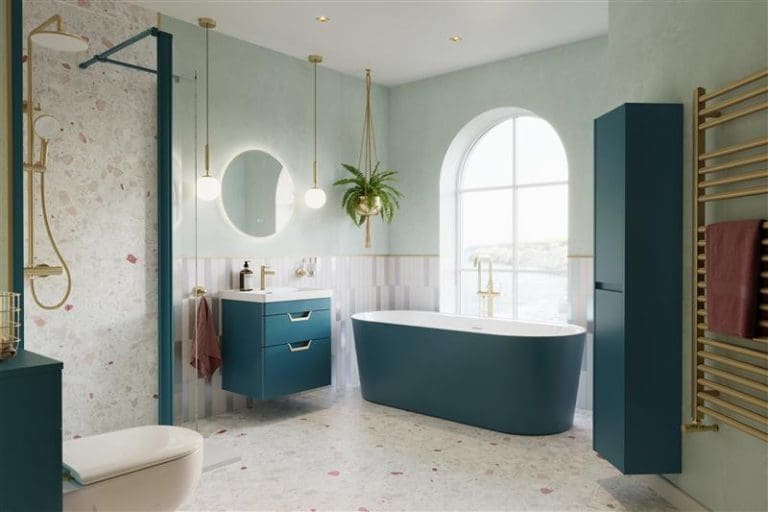
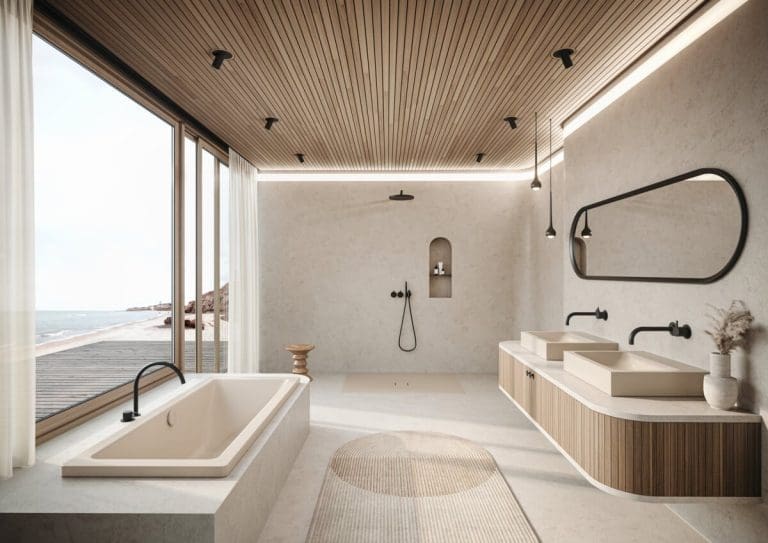
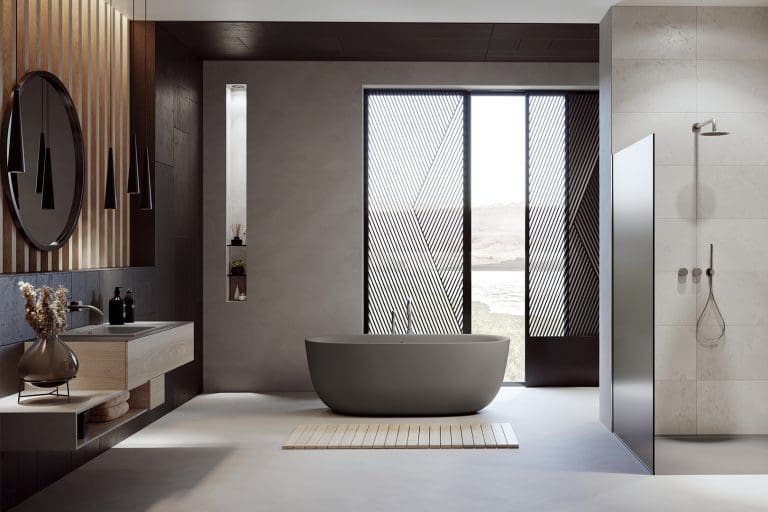
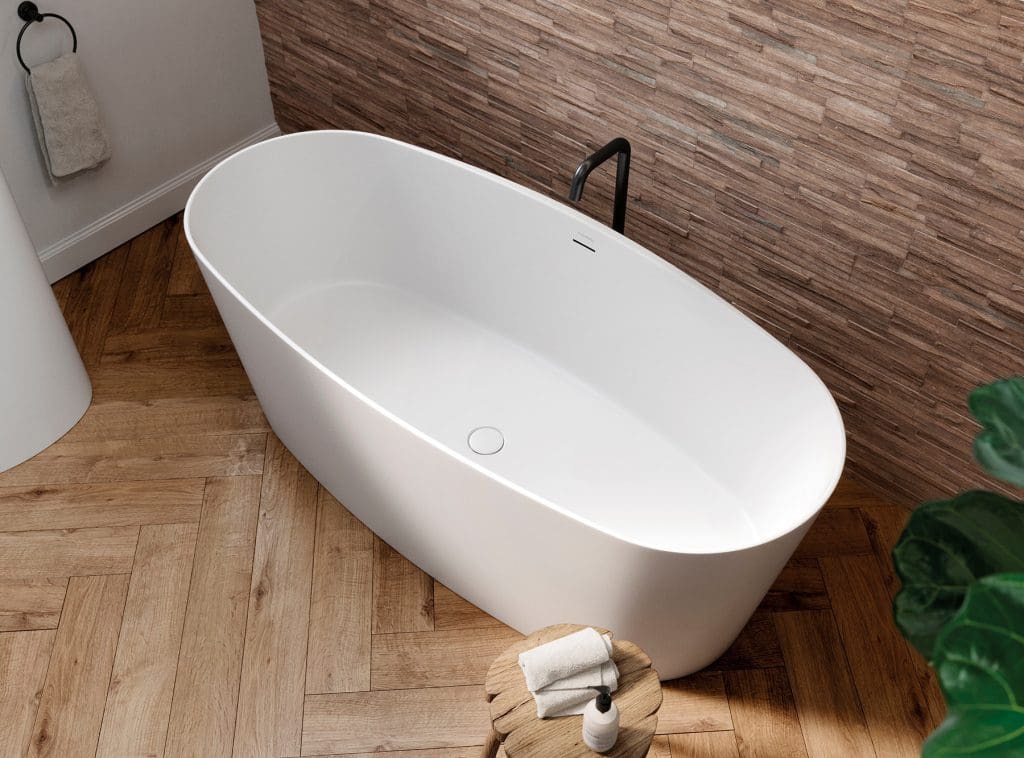
A freestanding bath instantly elevates a bathroom. You can place it in the centre of the room, near a feature wall, beneath a window, or on a raised platform. Because it is visible from all angles, it naturally becomes the focal point, helping you build a bathroom around a single, striking piece.
This makes freestanding baths perfect for luxury bathroom designs and renovations where you want a standout feature that adds value to the property.
2. Flexible Positioning
Unlike inset baths, freestanding baths do not have to sit against a wall. If your plumbing allows, you can position one almost anywhere in the room. This gives you the opportunity to create symmetry, open up floor space, or showcase architectural features.
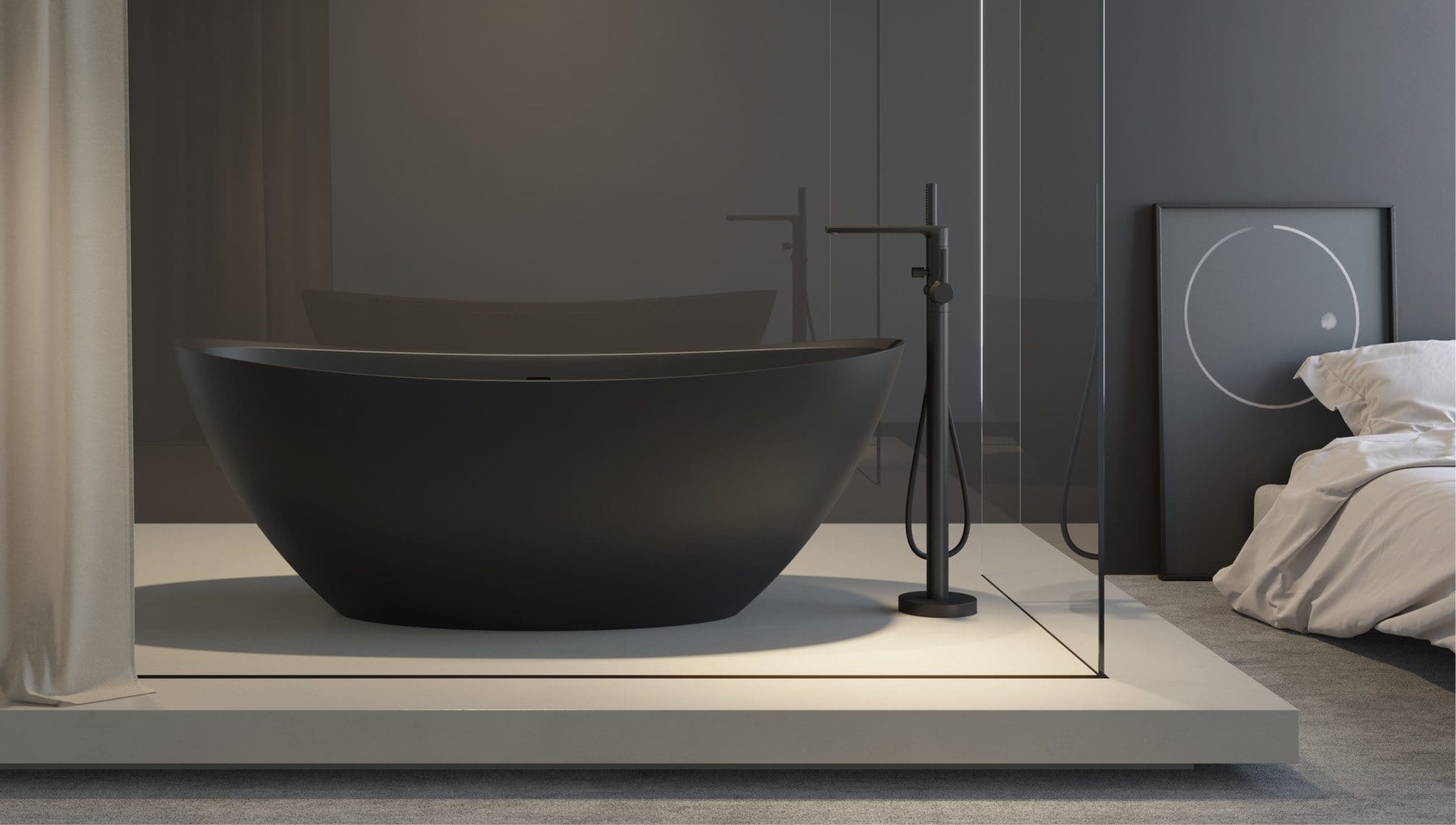
You can also pair them with floor-mounted or wall-mounted taps. Spanish brand Ramon Soler is known for beautifully engineered freestanding bath mixers that pair well with sculptural bath designs.
3. A Comfortable, Soothing Bathing Experience
Many freestanding baths are deeper than built-in baths, letting you sit back comfortably with more space for a full-body soak, and a more spa-like experience at home. Slipper designs lift the backrest higher for improved head and neck support, while oval and egg-shaped baths offer smooth internal contours that feel natural when you recline.
4. Versatility Across Interior Styles
You can integrate a freestanding bath into almost any bathroom style. For example:
- Minimalist bathrooms benefit from smooth, contemporary stone-effect baths from brands like Acquabella.
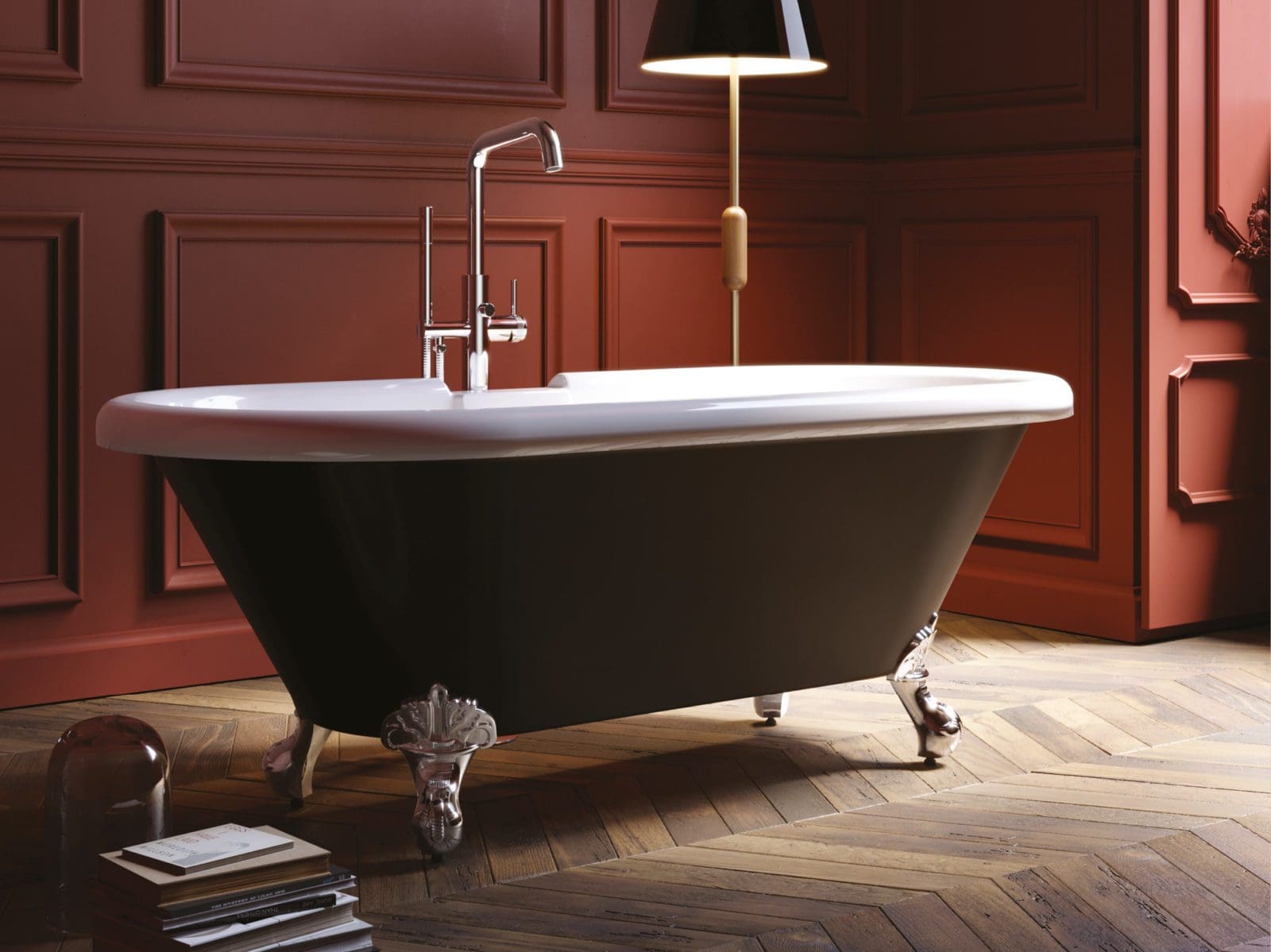
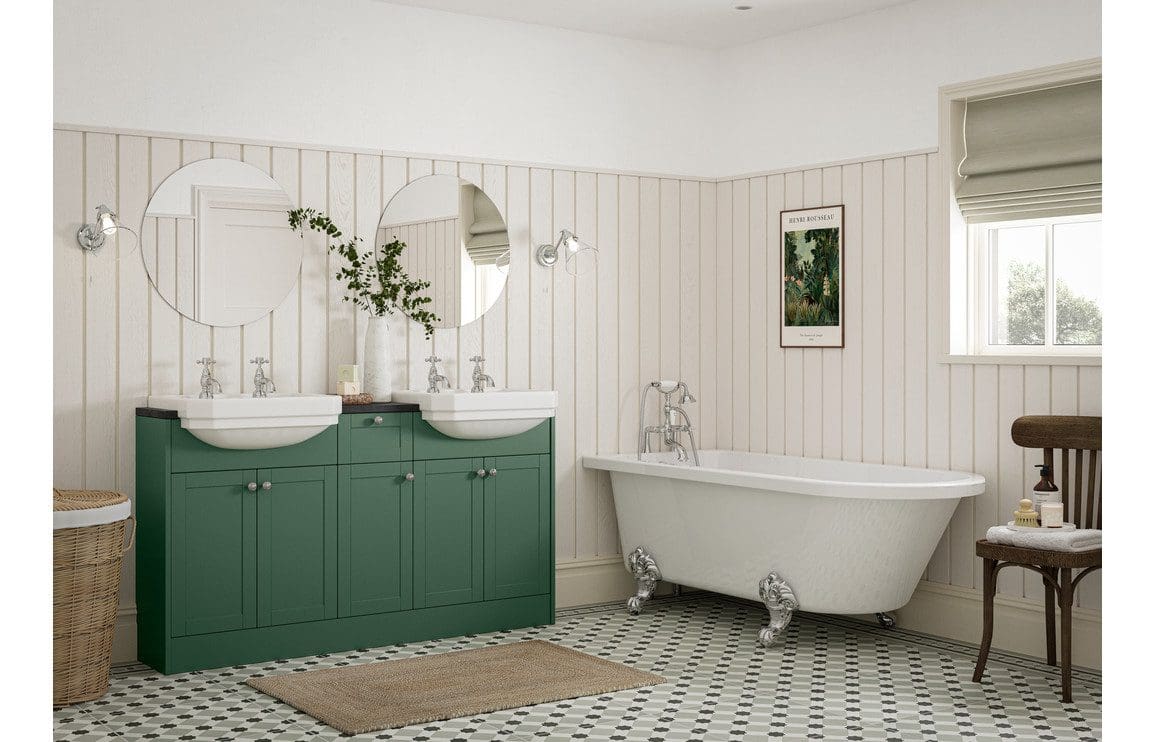
- Traditional settings suit roll-top or clawfoot designs.
- Industrial bathrooms often include steel or matt-finish models with modern lines.
- Scandinavian-inspired spaces pair beautifully with soft curves and muted tones.
This versatility makes freestanding baths suitable for both modern new-builds and characterful period homes.
5. Elevated Perceived Value
If you are looking to improve your home’s resale appeal, a freestanding bath is a detail potential buyers notice immediately. Many estate agents highlight them in property listings because they photograph so well and give a home a premium feel.
The Main Drawbacks of Freestanding Baths
Although the benefits are compelling, it is important to understand the limitations before purchasing a freestanding bath. Freestanding baths are beautiful, yet they are not ideal for every bathroom or every household…
1. They Require Enough Floor Space
A freestanding bath needs sufficient clearance around it to look purposeful. If space feels tight, it will make the bathroom feel cramped and harder to clean. You should ideally allow at least 10–20cm around the bath for movement and access.
If your bathroom layout is compact, a back-to-wall freestanding bath could be worth considering. Brands such as Utopia and Sonas have slim models that offer the look of a freestanding bath without demanding too much space.
2. Potentially More Difficult to Clean Around
Cleaning beneath and behind a freestanding bath takes more effort than cleaning around an inset bath. Dust can collect underneath, and reaching the floor may require stretching or using a long-handled mop.
If maintenance is a concern, check the shape of the base. Some designs sit directly on the floor with no gap, which is much easier to keep clean.
3. Freestanding Can Be Heavy
Freestanding baths, especially stone-resin or cast-stone models, carry significant weight. Your bathroom floor may need reinforcement. Always check this before buying, especially in older properties. Lightweight acrylic options are available, though they still need secure placement to prevent flexing.
4. Bathroom Plumbing May Be More Complex
Depending on your existing bathroom layout, you may need plumbing adjustments to accommodate a freestanding bath. This includes floor-mounted or freestanding taps, waste positioning, and access for maintenance.
Using quality brands helps here. Roman, known for showering solutions, also designs supporting products and fittings that help achieve a cleaner, more seamless installation.
5. Splashing and Water Control
If your freestanding bath sits away from the wall, you may not have a traditional ledge or tile edge to rest items on. You will need to think about a bath caddy or a small side table. Splash zones also need careful planning because freestanding baths can create more water movement as you get in and out.
Different Styles and Materials to Consider
Choosing the right freestanding bath depends on your space, your lifestyle, and the effect you want to create. Some popular options include:
- Acrylic Freestanding Baths
Lightweight and affordable. Warm to the touch. Available in many sizes. A great starting point for most households.
- Stone Resin and Solid Surface Baths
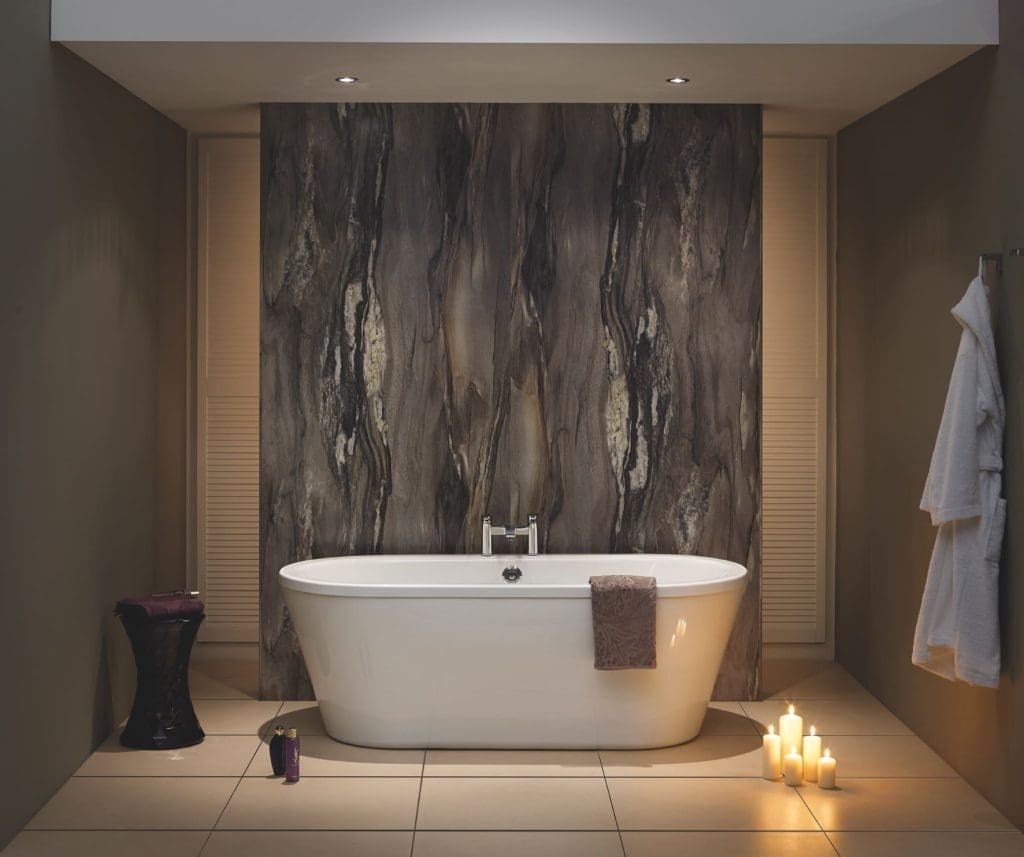
Brands such as Acquabella excel in this category. These baths offer a luxury matte or textured finish, excellent heat retention, and sculptural shapes.
- Traditional Roll-Top Baths
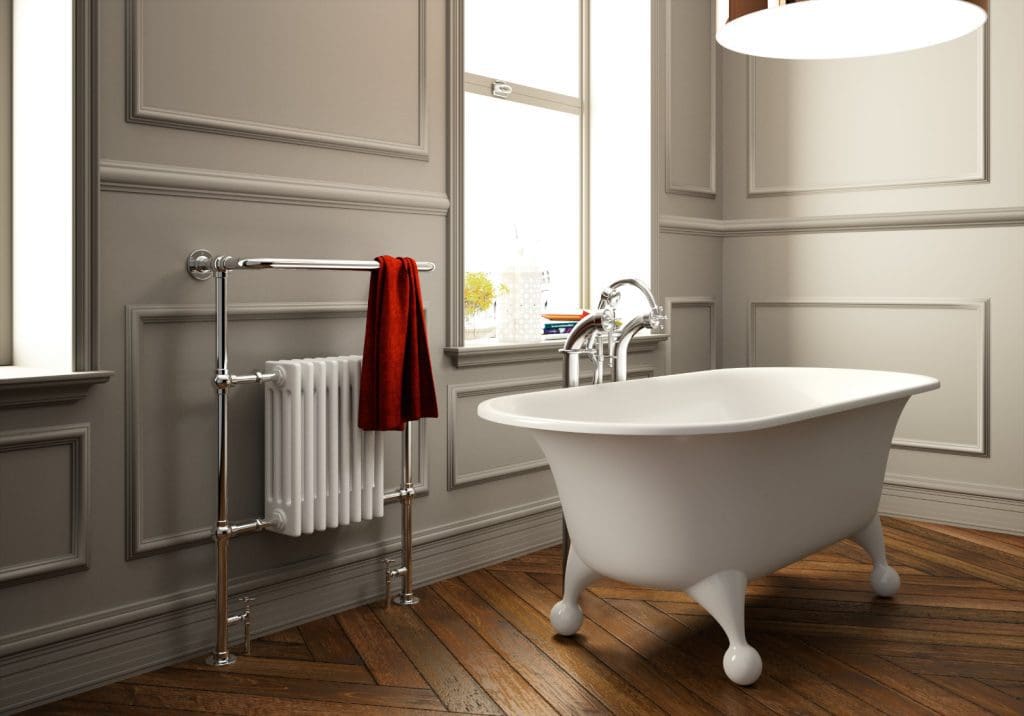
Perfect for period properties. Many UK homeowners choose roll-top designs from Sonas or Utopia to create a boutique-style bathroom.
- Back-to-Wall Freestanding Baths
Ideal for smaller bathroom spaces. They retain the freestanding look with a practical flat side against the wall.
- Compact Freestanding Baths
Great for ensuite bathrooms. Slim designs maximise space while maintaining a premium look.
Practical Planning Tips Before You Buy
If you want the best possible result, take your time during the planning phase. You will want to consider:
1. The Overall Bathroom Layout
Place your freestanding bath where it becomes a visual highlight rather than an obstruction. Test the circulation space, door swing, and sightlines from the entrance.
2. Tap Positioning
You can choose:
- Freestanding floor-mounted taps
- Wall-mounted taps
- Deck-mounted taps (if the bath design allows)
Brands like Ramon Soler offer stylish brassware options that complement modern and classic bath shapes.
3. Heating and Warmth
Because freestanding baths can sit away from walls, the surrounding space may feel cooler. Underfloor heating helps increase comfort and prevents cold spots.
4. Storage
Plan where you will keep items such as soaps, shampoos, candles, and towels. Integrated niches work well in surrounding walls. Side tables also look effective next to sculptural bath shapes.
5. Style Consistency
If you are choosing other items such as taps, furniture, and accessories, make sure they coordinate with your bath. Brands like Decosan and Interlübke offer beautiful bathroom furniture ranges that align well with modern freestanding bath designs.
Who a Freestanding Bath Is Best Suited For
A freestanding bath suits you if:
- You want a focal point in your bathroom
- You enjoy longer, relaxing baths
- Your bathroom has enough floor space to showcase the design
- You want a luxury feel and a timeless piece
- You are open to accommodating plumbing adjustments if required
If you prefer a bath-shower combination or need a more compact, practical layout, an inset bath may be the better choice.
Are Freestanding Baths Worth It?
If your priority is style, comfort, and long-term appeal, freestanding baths offer excellent value. They transform a standard bathroom into a feature space and create a place to unwind. Many homeowners find that the benefits outweigh the drawbacks, especially when paired with thoughtful bathroom planning.
Choosing a reputable supplier or manufacturer will give you a more durable product that retains its beauty for years. Brands such as Sonas, Utopia, Acquabella, Roman, and Decosan all offer well-made options that cover a range of sizes, materials, and budgets.
Final Thoughts
A freestanding bath can elevate your bathroom renovation and enhance your day-to-day routine, yet it is important to weigh up the pros and cons of freestanding baths before deciding. You now have the insight you need to balance design ambition with practical considerations. With thoughtful planning, the right materials, and support from trusted bathroom suppliers, you can create a bathroom that feels stylish, comfortable, and functional for many years to come.
If you would like help exploring styles or planning your bathroom layout, many local bathroom specialists offer free design support, product advice, and manufacturer guidance to help you achieve the best result.