
Electric vs Mixer Showers: What’s Best for Your Bathroom?
Choosing the right shower can transform your daily routine and make a big difference to your bathroom’s overall design, practicality, and energy efficiency. Among the most common choices for UK homes are electric showers and mixer showers — each offering unique advantages depending on your water system, usage, and budget.
Whether you’re renovating a family bathroom, upgrading an en suite, or designing a new wet room, understanding the differences between these shower types will help you make an informed decision.
Understanding the Basics: Electric vs Mixer Showers
Before comparing the finer details, it’s worth understanding how each system works.
- Electric showers heat water instantly using an internal heating element, drawing from your home’s cold water supply. This means they’re independent of your boiler or hot water system.
- Mixer showers combine pre-heated hot water from your boiler or cylinder with cold water to achieve your desired temperature before it reaches the showerhead.
Both options can be fitted in various bathroom layouts — from compact cloakrooms to spacious spa-style suites — but they differ in performance, cost, and water efficiency.
Electric Showers: Efficient, Independent, and Cost-Effective
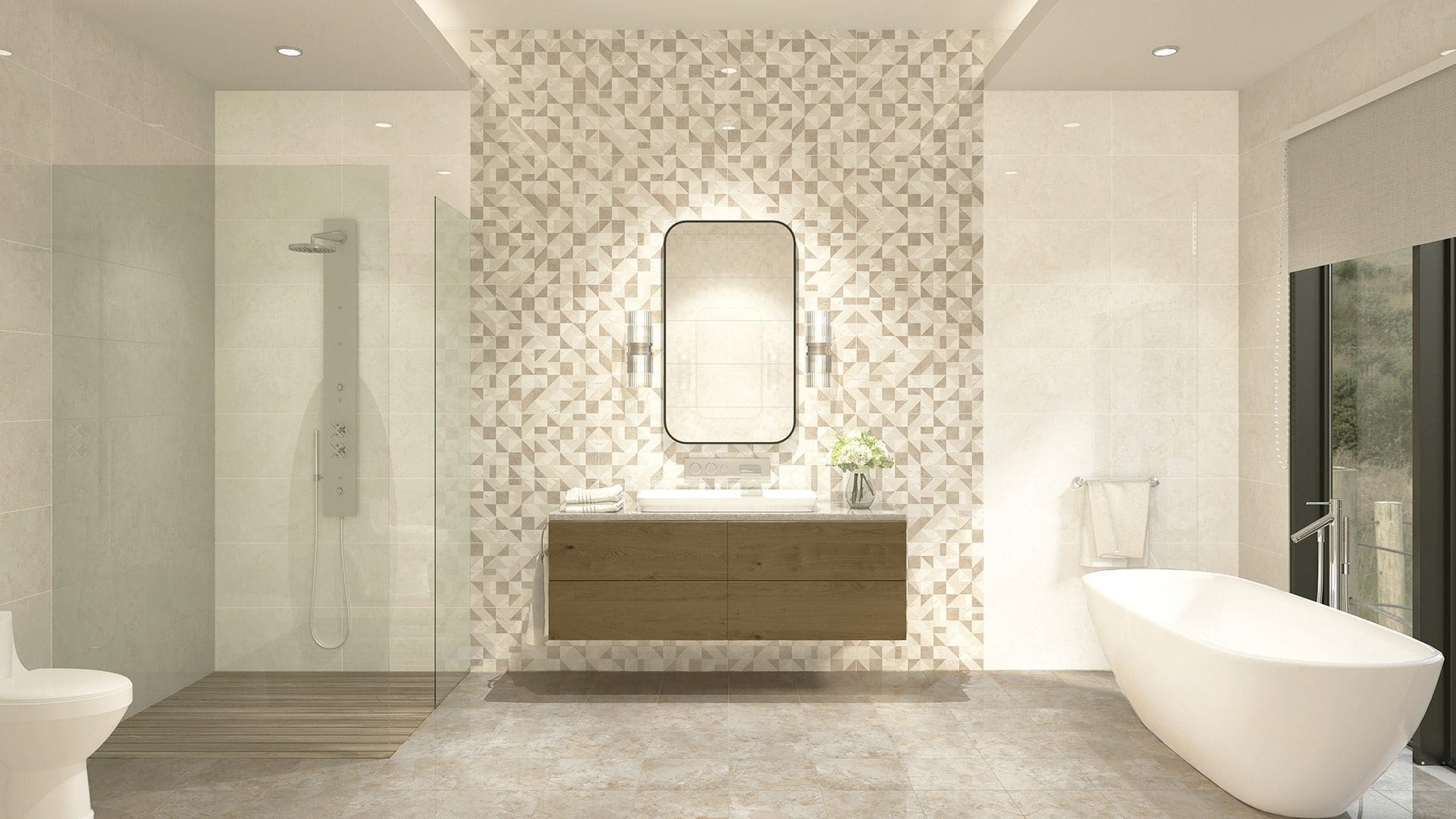
Electric showers are a popular choice in many UK homes thanks to their simplicity and efficiency. Because they only use the cold water supply and heat water on demand, they work well even in properties with smaller hot water cylinders or older plumbing systems.
Advantages of Electric Showers
- Hot Water on Demand
An electric shower doesn’t rely on your boiler or immersion heater. As long as there’s a mains water supply and electricity, you’ll always have hot water — ideal for busy households where multiple people may shower one after another.
- Energy Efficiency
Since the water is heated instantly, there’s no wastage from preheating a large tank. This makes electric showers an energy-efficient choice for households keen to manage energy costs, especially in properties with electric-only heating systems.
- Easy to Install in Any Bathroom
Electric showers are generally easier and cheaper to install than other systems because they connect to the cold water supply. They’re particularly useful in homes with limited hot water capacity or where an additional shower is being added to an existing layout.
- Suitable for Cloakrooms or Guest Bathrooms
Electric showers are compact and self-contained, making them perfect for smaller spaces or occasional-use bathrooms. For example, if you’re upgrading a downstairs shower room or en suite, this system can deliver convenience without affecting your main supply.
Things to Consider with Electric Showers
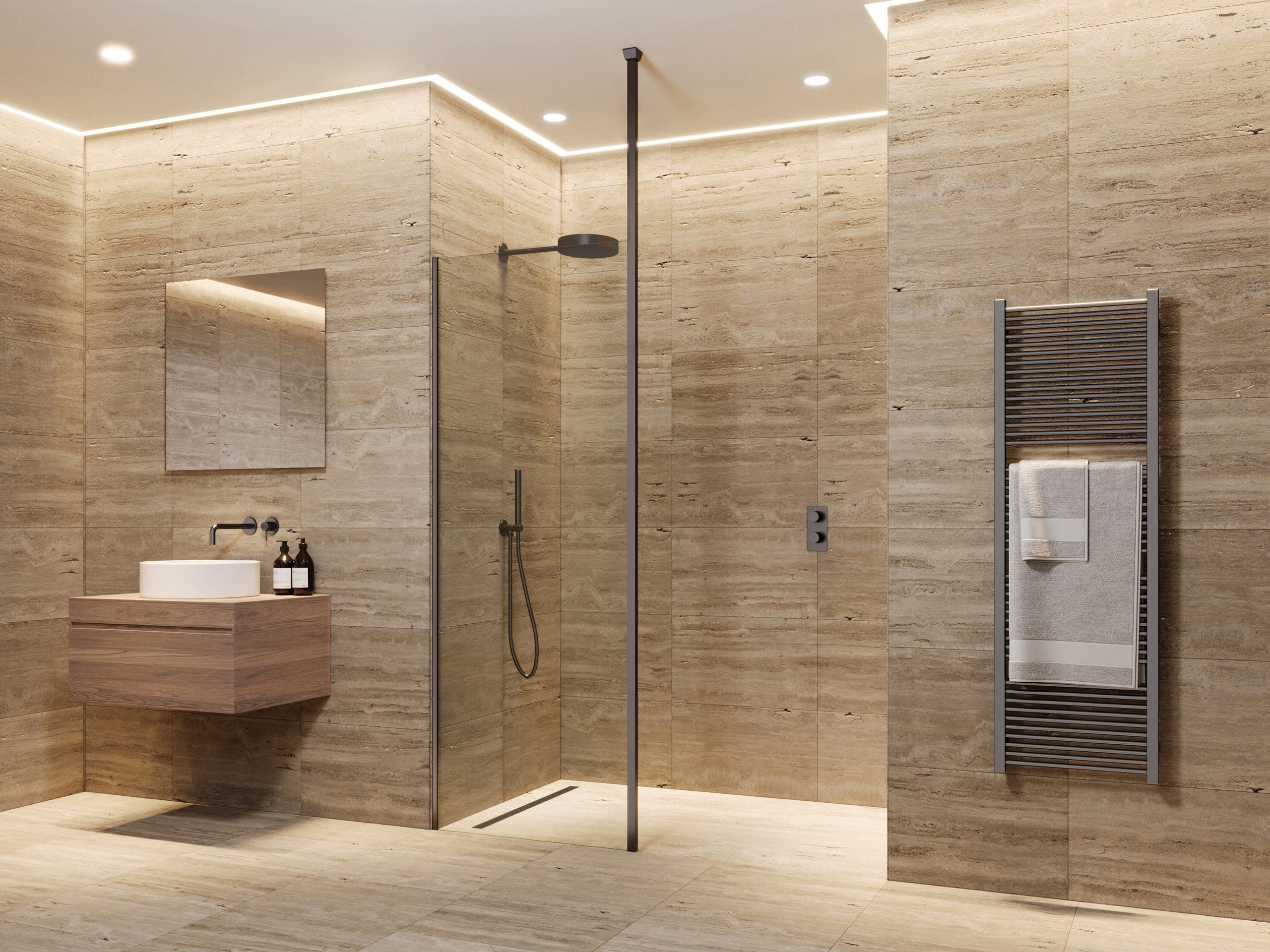
While electric showers are highly practical, they do have some limitations. The main one is water pressure. Performance depends on your mains pressure and the shower’s kilowatt rating. Lower-power models (around 8.5 kW) may deliver a gentler flow, whereas higher-rated versions (10.5 kW and above) provide a stronger spray but may need a more robust electrical connection.
The visual design of electric showers has also evolved. Many modern systems now feature sleek, minimal casings, digital temperature displays, and adjustable heads that blend beautifully with contemporary bathroom interiors. Brands like Ramon Soler and Utopia Bathrooms offer elegant electric models that complement both traditional and modern schemes.
Mixer Showers: Powerful, Stylish, and Luxurious
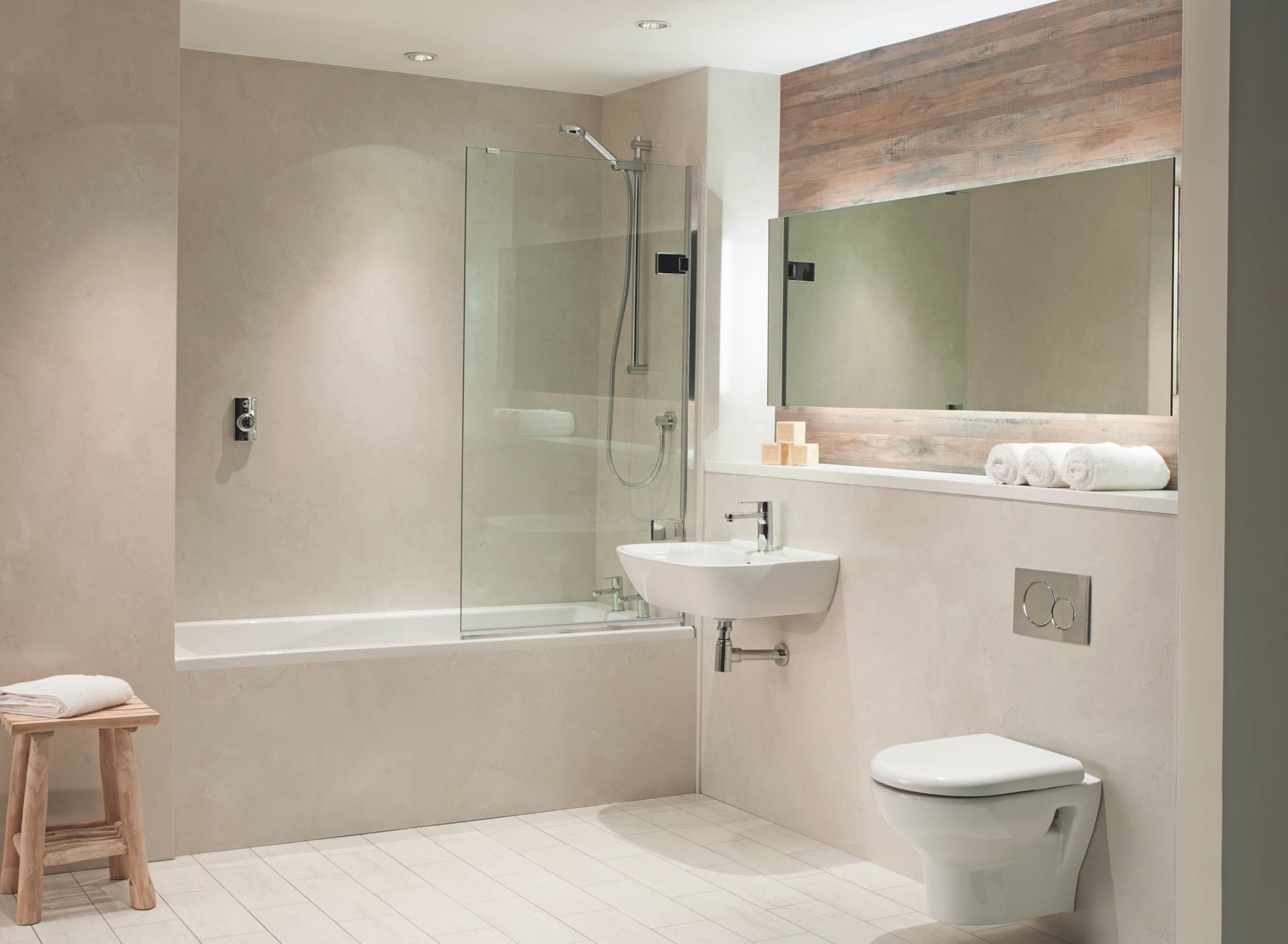
If your home already has a reliable hot water system, a mixer shower can deliver a stronger and more luxurious experience. Mixer showers blend hot and cold water before it exits the showerhead, offering precise temperature control and smooth performance.
Advantages of Mixer Showers
- Superior Water Pressure
Mixer showers often deliver a higher flow rate compared with electric models, particularly when connected to a high-pressure or combi boiler system. This makes them ideal if you enjoy an invigorating shower with consistent pressure.
- Stylish Design Flexibility
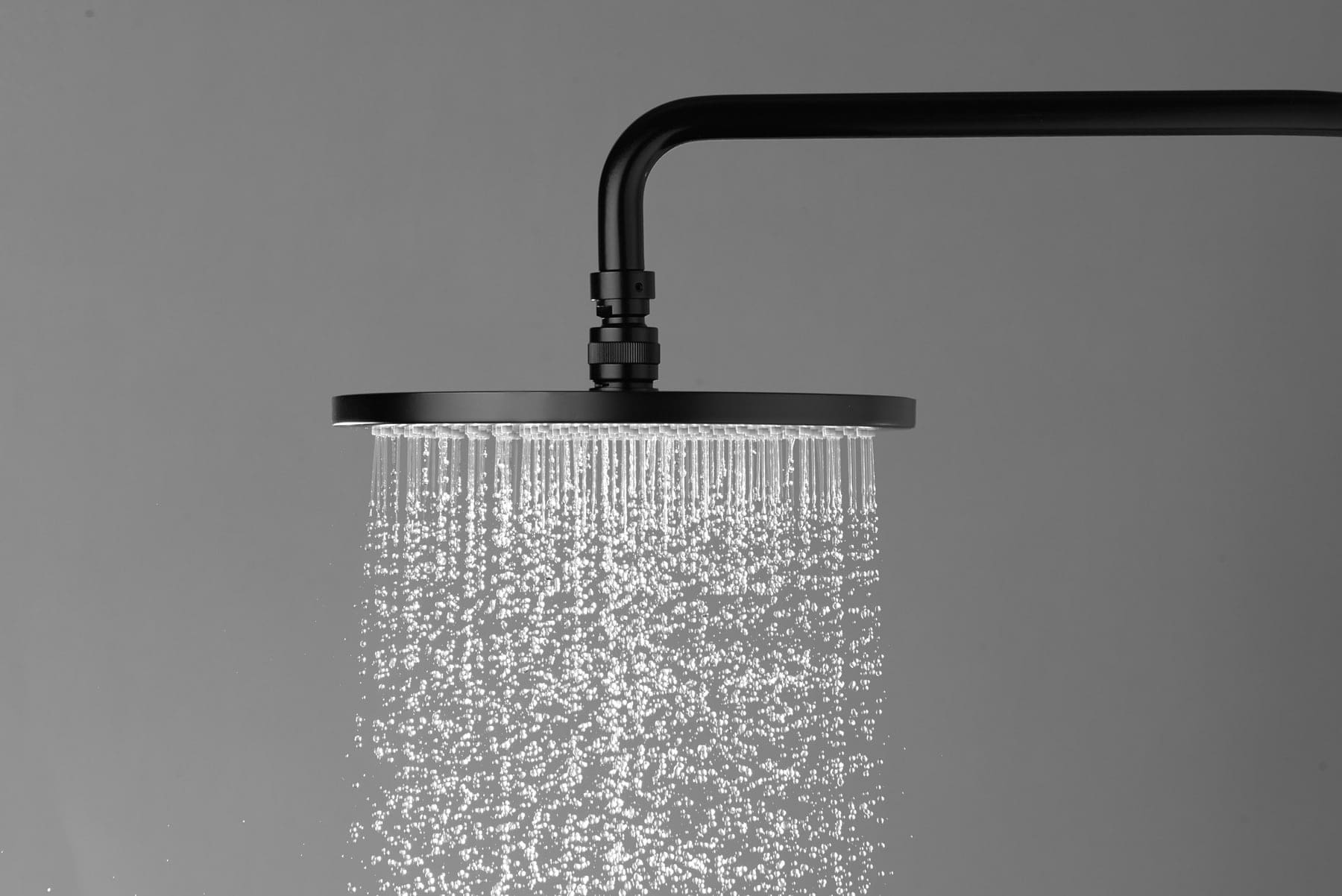
Because mixer systems can be concealed behind the wall or integrated into a shower column, they offer more freedom in terms of design. Concealed valves, ceiling-mounted heads, and rainfall-style outlets create a sleek, seamless finish.
Collections from Decosan or Sonas Bathrooms showcase contemporary mixer options with precision-engineered brassware and minimalist design lines.
- Better for Large or Family Bathrooms
If your household uses a lot of hot water, mixer showers provide a consistent and satisfying flow, even when other taps are running. They are often the preferred choice for family bathrooms and en suites where comfort and power are key.
- Thermostatic Control for Safety
Many mixer showers include thermostatic valves, ensuring the temperature stays stable even if someone flushes a toilet or turns on another tap elsewhere in the house. This safety feature makes them particularly suitable for homes with children or elderly family members.
Things to Consider with Mixer Showers
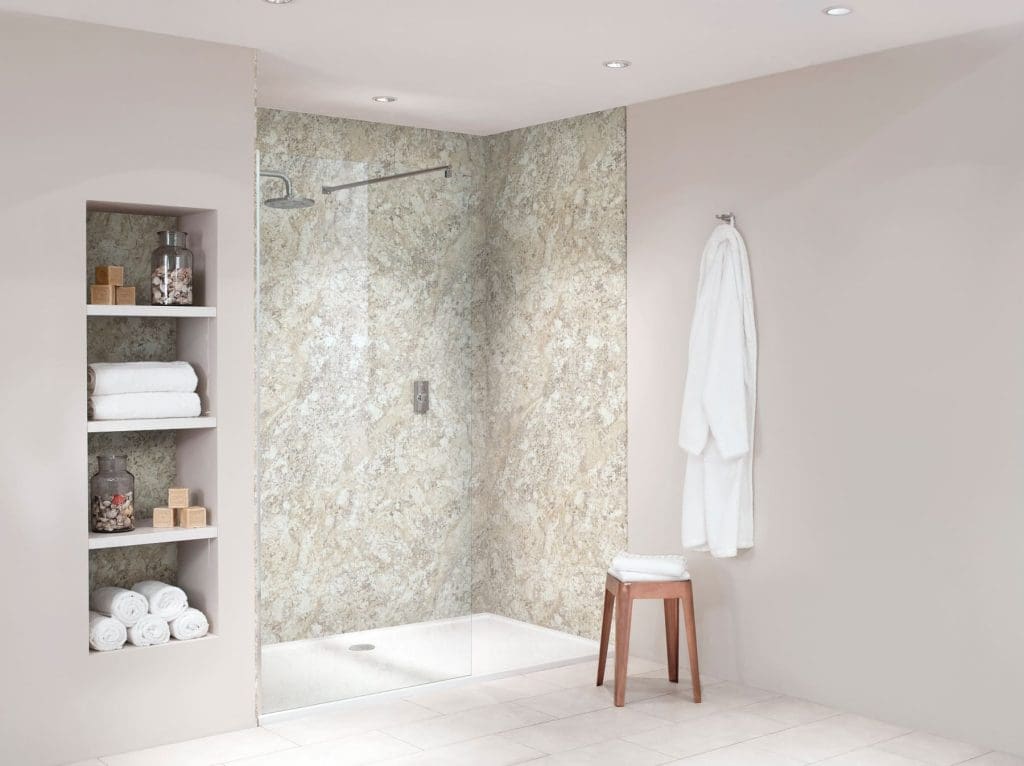
Mixer showers rely on your existing hot water system, so their performance depends on your boiler type and water pressure. Homes with gravity-fed systems may require a shower pump to achieve a strong flow.
Installation can be more complex, particularly for concealed models, as pipework may need to be rerouted within the wall. However, the aesthetic reward and showering comfort often outweigh the extra cost and effort.
Which Shower Type is Right for Your Bathroom?
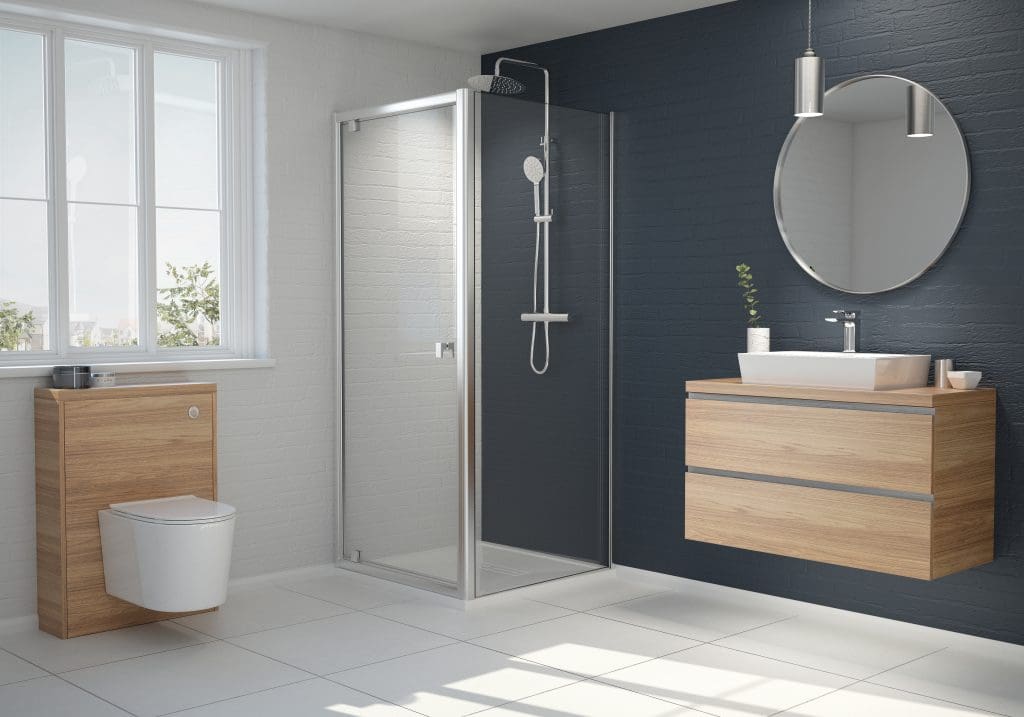
Your choice of shower will depend on several factors — including your water system, household usage, and style preferences.
- If You Have a Combi Boiler
A mixer shower will generally give you the best experience. Combi boilers deliver high-pressure hot water on demand, perfect for a powerful and consistent shower. - If You Have a Gravity-Fed System
You may still enjoy a mixer shower but might need to install a shower pump to boost pressure. Alternatively, an electric shower is a simpler, more budget-friendly choice that avoids the need for additional equipment. - If You Have Limited Hot Water
Electric showers are ideal if your home relies on a small water cylinder or if hot water runs out quickly during busy mornings. - If You’re Renovating a Guest Bathroom or Cloakroom
An electric shower offers independence from the main hot water system, ensuring guests can shower comfortably without affecting other household use. Many UK homes now feature small ground-floor cloakrooms or shower rooms for family convenience — these can benefit greatly from an electric setup that doesn’t rely on your boiler.
Design and Aesthetic Considerations
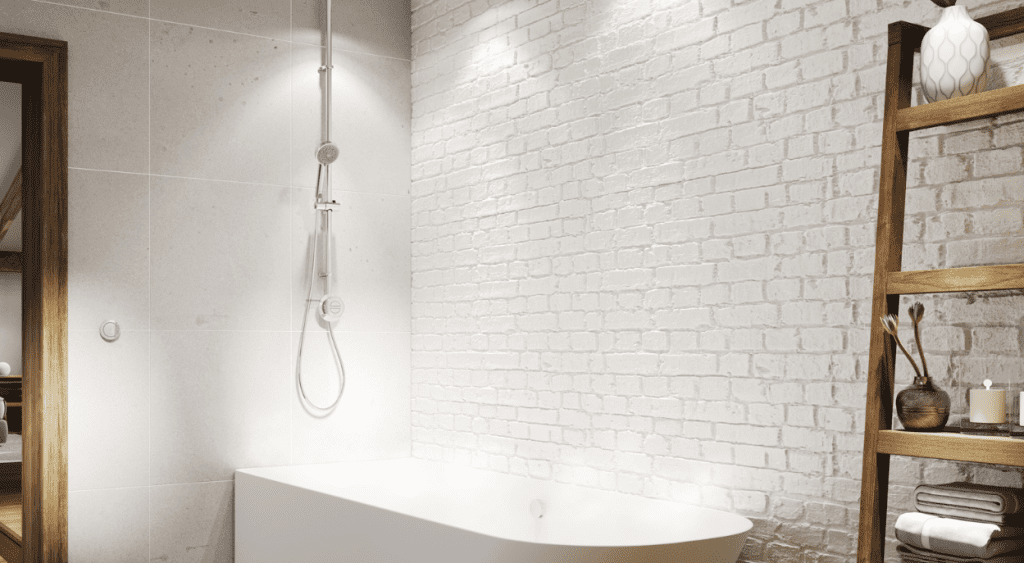
Both types of showers can be beautifully styled to suit your bathroom décor.
- Electric showers are available in a wide range of finishes — from high-gloss white to matte black or brushed steel — allowing you to coordinate them with modern brassware or tiles.
- Mixer showers offer greater design flexibility, especially when you want a clean, minimalist finish. Concealed valves, overhead rain heads, and hand showers can be combined to create a spa-like look.
Luxury bathroom brands such as Acquabella, Ramon Soler, and Interlubke provide high-quality mixer and electric options with durable materials and precise engineering. Whether you prefer a wall-mounted shower column or a recessed thermostatic panel, there’s a model to match every taste and space.
Installation, Maintenance, and Longevity
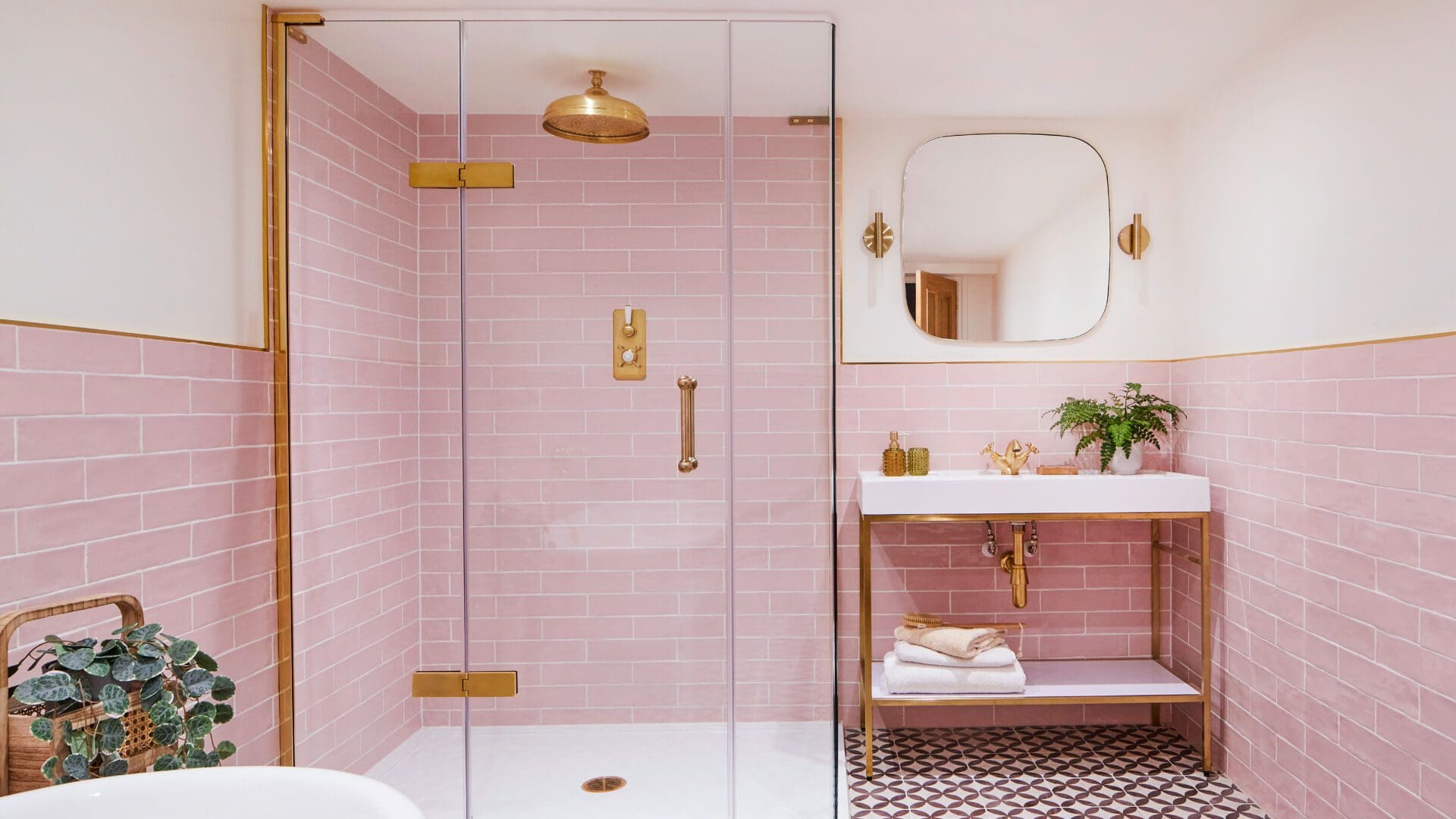
Both systems require professional installation for safety and performance. Electric showers need correct electrical wiring and appropriate circuit protection, while mixer showers may involve pipe adjustments and waterproofing for concealed fittings.
Regular maintenance — such as descaling showerheads and cleaning filters — will keep either system running efficiently. Electric models may require more frequent limescale checks in hard water areas, while mixer showers benefit from periodic valve servicing to maintain accurate temperature control.
If you’re upgrading an existing bathroom, consult your installer about compatibility with your current pipework, boiler, and electrical capacity. Brands such as Sonas Bathrooms and Utopia often provide expert guidance or compatible fittings to simplify installation.
Eco-Friendly Shower Considerations
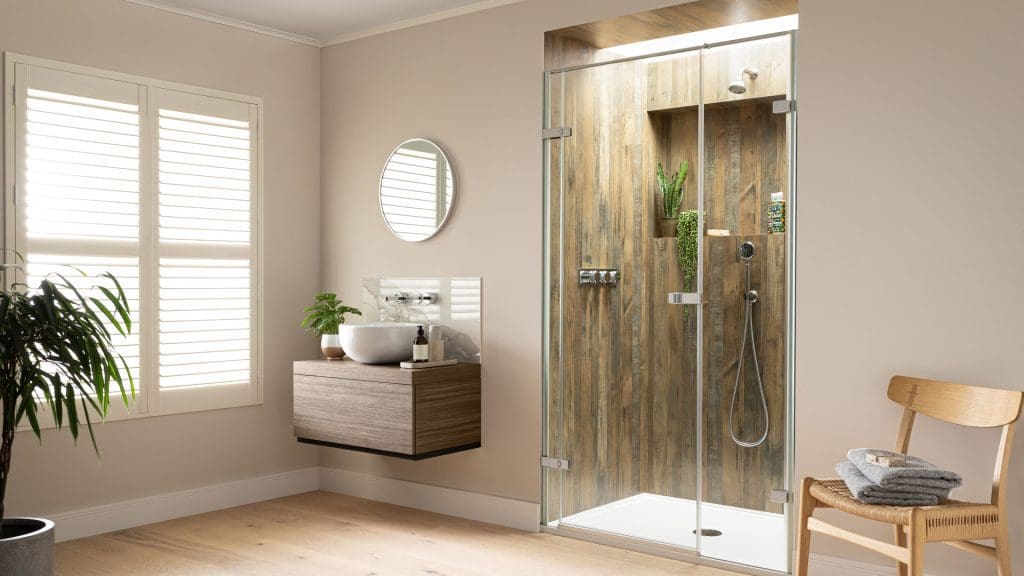
Both electric and mixer showers can support sustainable bathroom design when chosen thoughtfully.
- Electric showers heat only the water used, which can reduce overall energy waste.
- Mixer showers connected to efficient condensing boilers or modern combi systems can achieve excellent water and energy performance, especially when paired with low-flow showerheads.
Manufacturers like Decosan and Acquabella offer innovative designs that balance comfort with eco-conscious performance — perfect for homeowners keen to reduce water consumption without compromising on quality.
Final Thoughts: Making the Right Choice
Both electric and mixer showers have their place in modern UK bathrooms. If you want a practical, budget-friendly, and energy-efficient solution, an electric shower will serve you well — especially in smaller bathrooms, guest suites, or properties with limited hot water capacity.
If you prefer powerful performance, design flexibility, and a luxurious showering experience, a mixer system is worth the investment, particularly when paired with a combi boiler or pressurised system.
The best option ultimately depends on your property, usage, and aesthetic goals. When in doubt, speak to a qualified bathroom designer or plumber, who can assess your home’s water system and recommend the most suitable shower type.
Whether you’re choosing a compact electric model from Utopia Bathrooms or a sleek thermostatic mixer from Ramon Soler, the right decision will ensure years of comfort, reliability, and satisfaction.